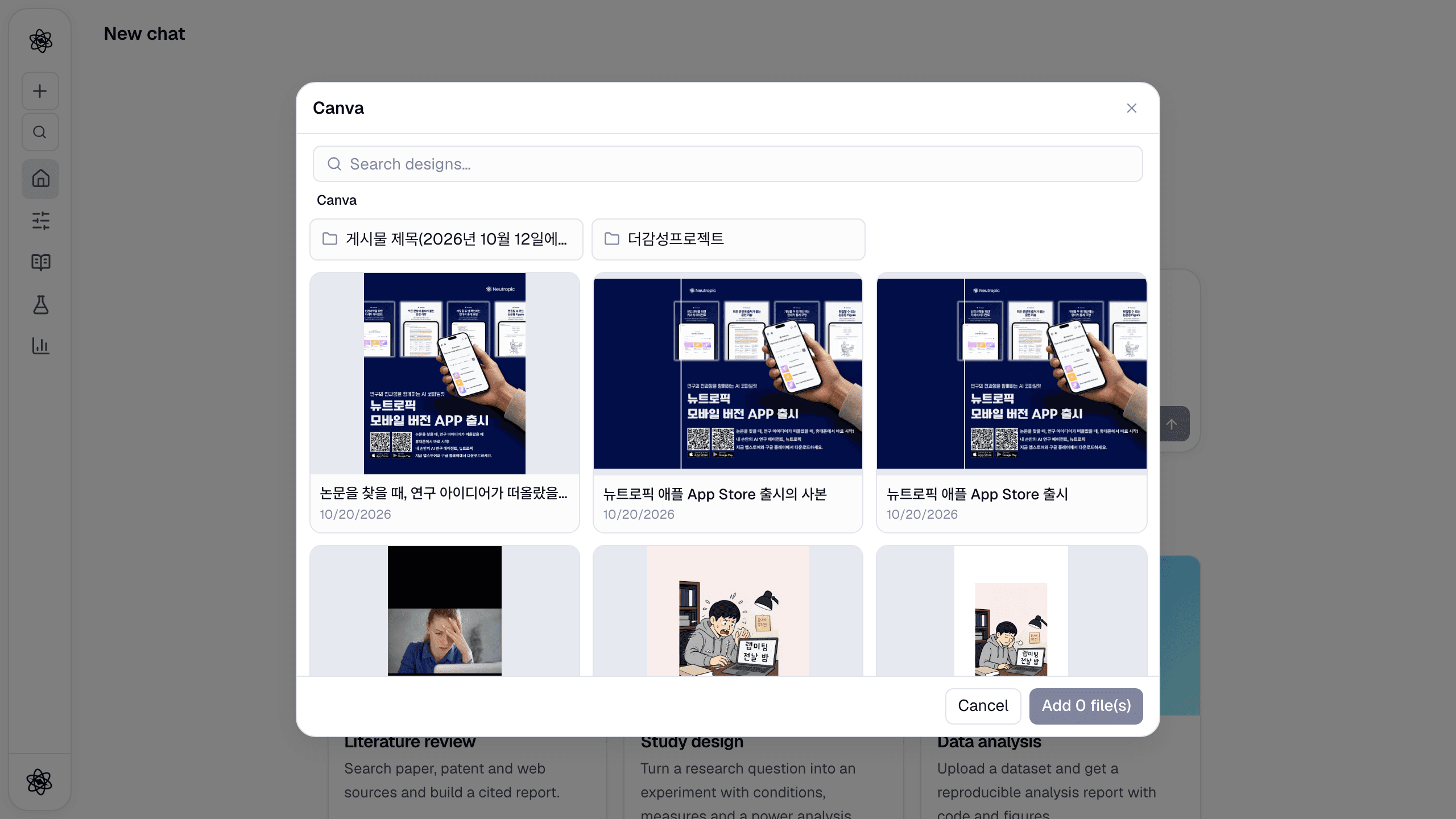
Push a figure or a whole slide deck from a chat into your Canva account, pull Canva posters and presentations in as files the agent can check, and let the agent search, export and create designs through Canva's official MCP server — with permissions you set tool by tool.
A real eleven-turn Neutropic session on one study — literature, hypotheses, design, analysis, statistics, figures, manuscript, Report review, Peer review and a deck — read turn by turn: what each one ran, what it produced, and what carried over to the next.
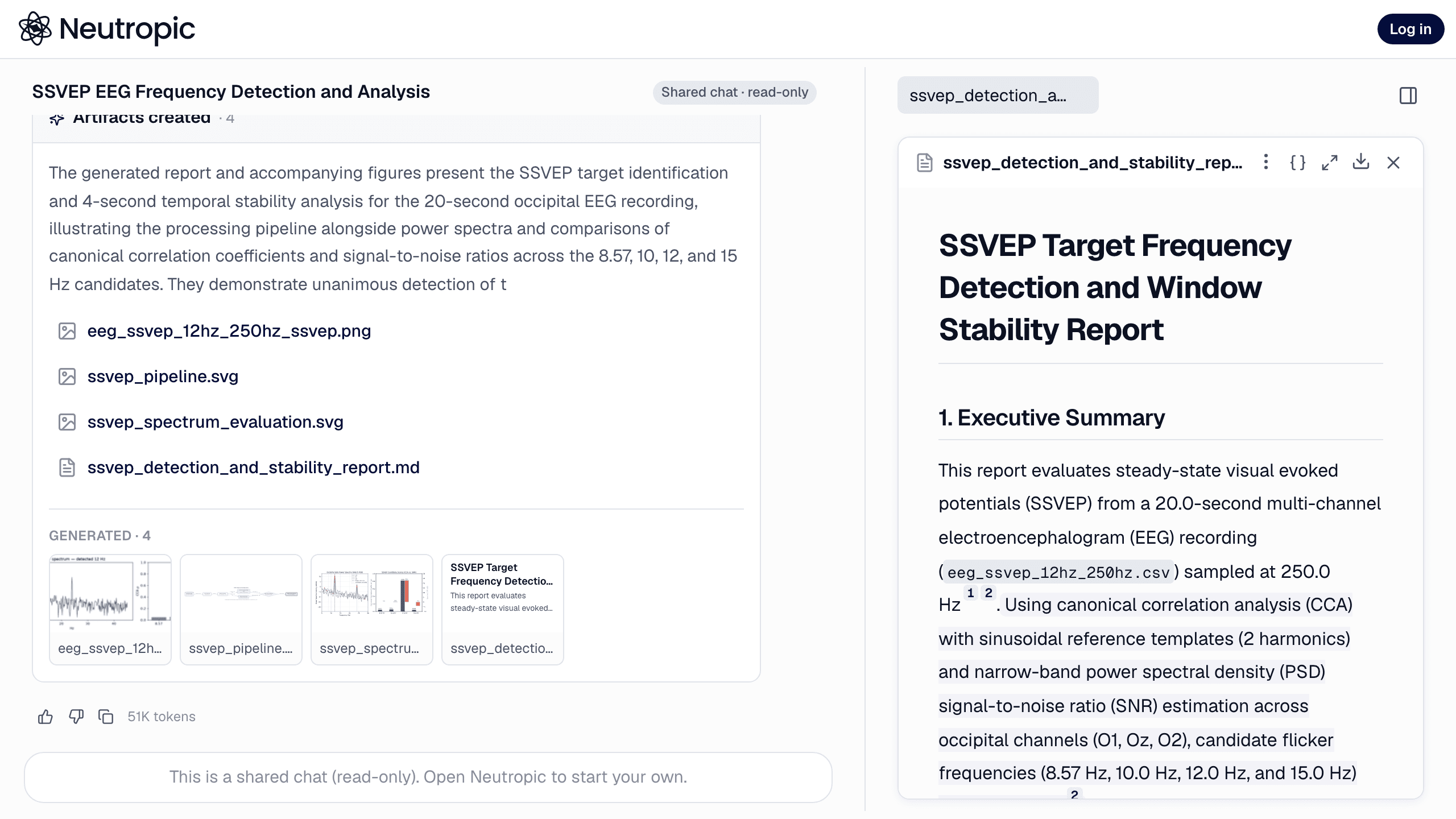
Every Neutropic chat can now be shared with a link. Whoever opens it sees the same screen you do — the conversation, the task steps and every report, figure and deck — without an account, and without being able to change anything.
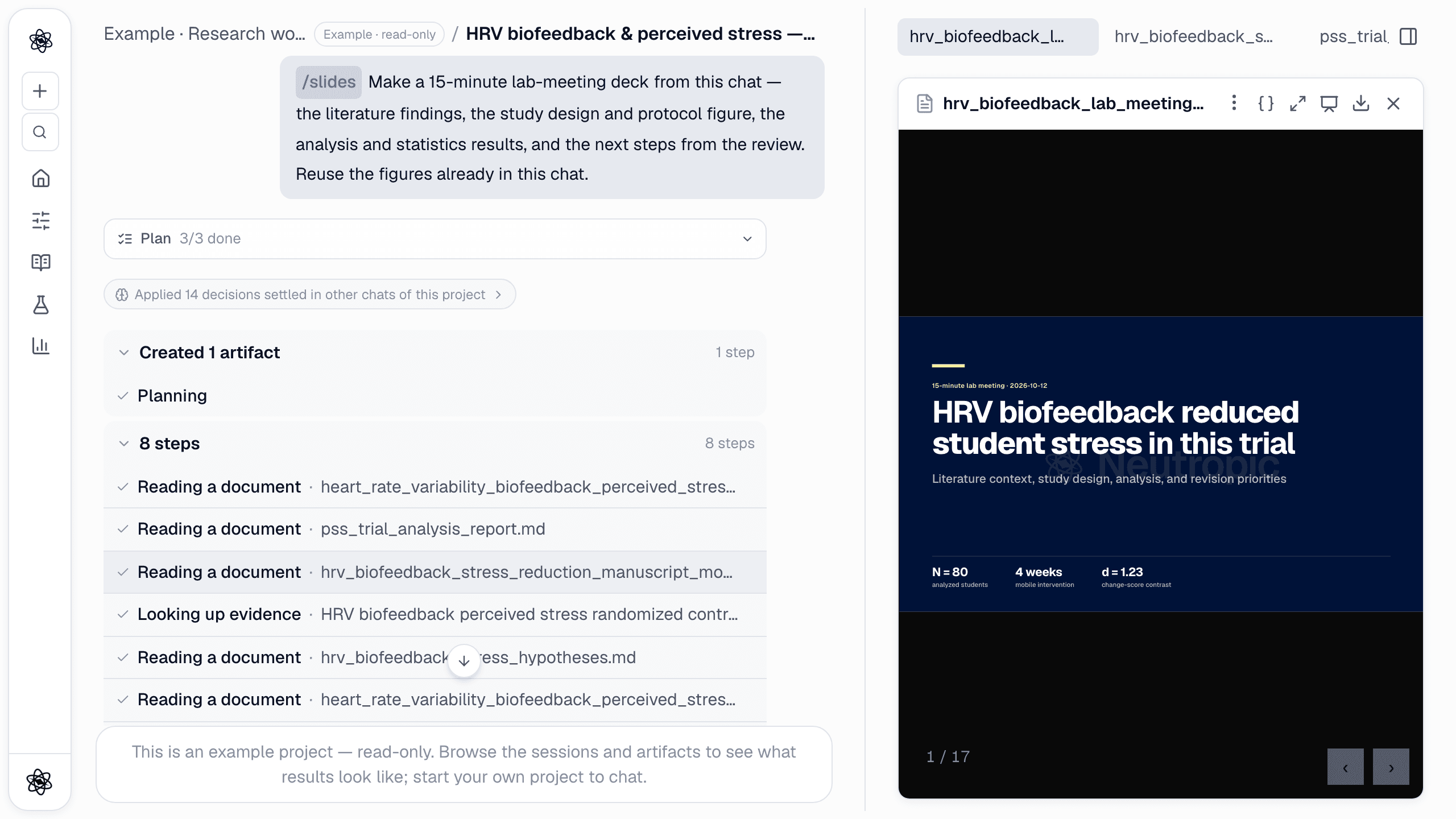
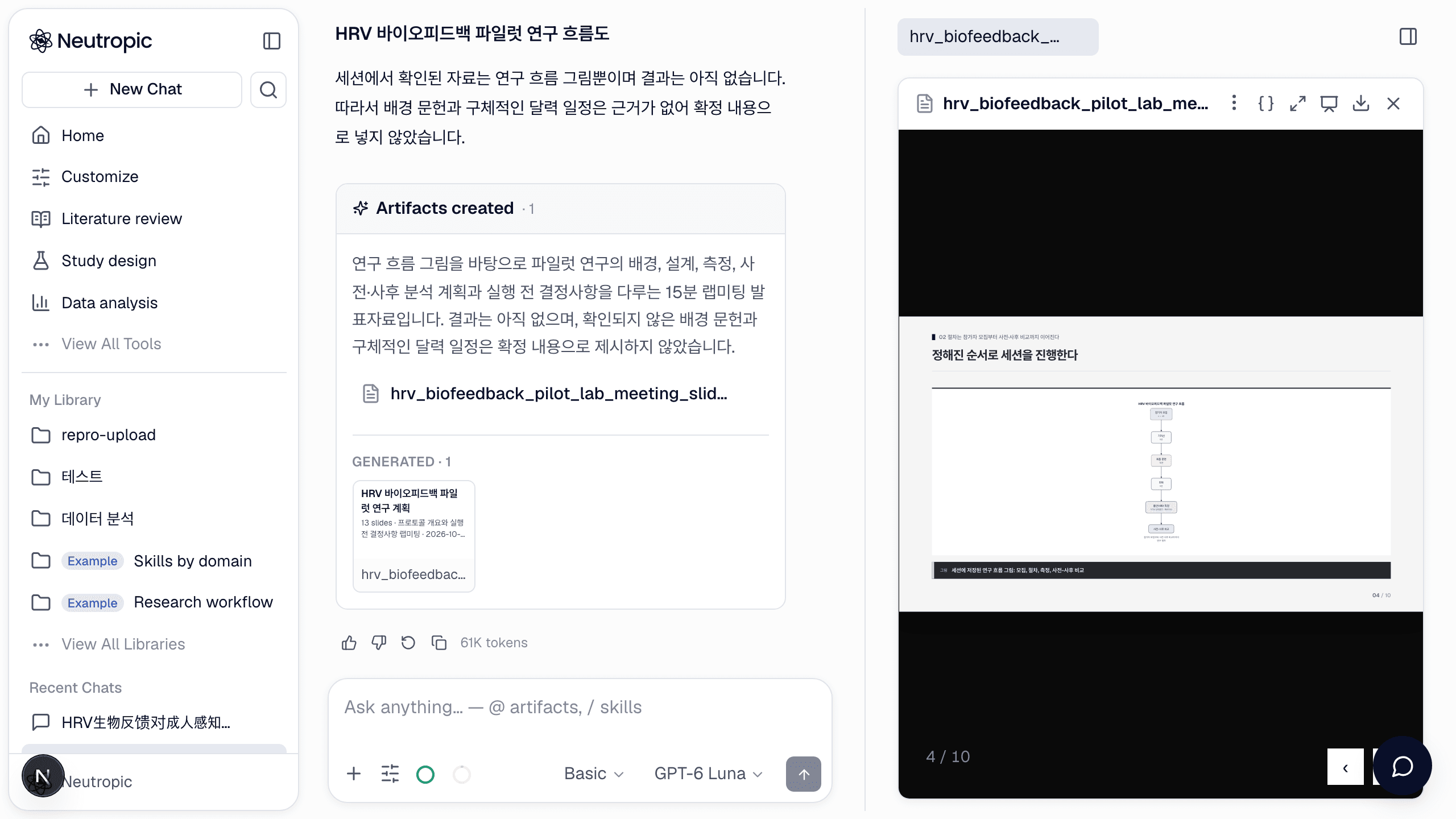
Type /slides and the reports, analyses, figures and manuscript already in your chat become a deck for your lab meeting, proposal defence or client briefing — one message per slide, every number traced to an artifact, speaker notes, and PPTX/PDF export.
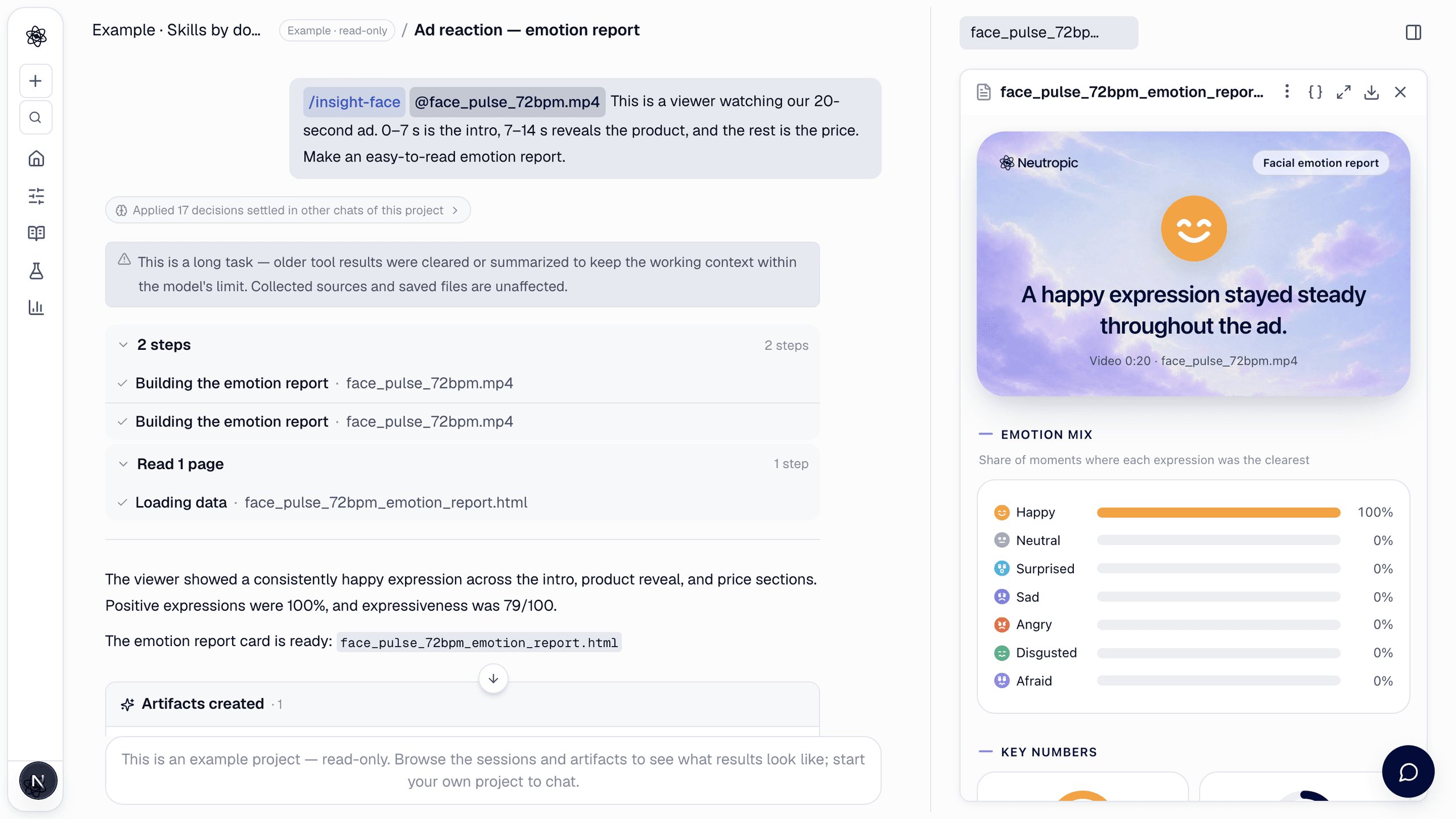
Attach a face video or photo and get a one-page emotion report card: the emotion mix, four key numbers, the flow over time, highlight moments and reactions by scene. Several people are compared, and the card downloads as an image.
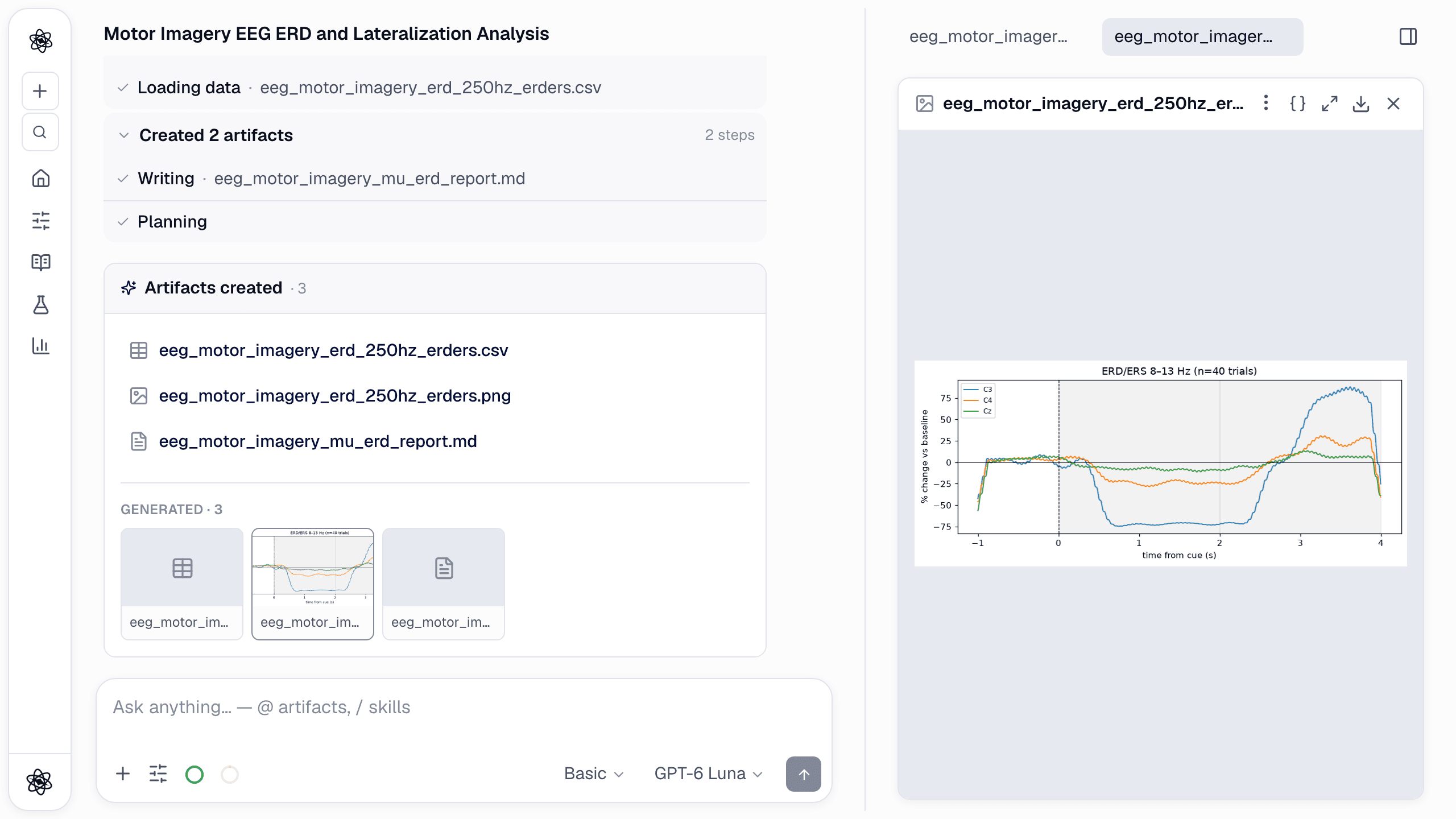
A practical guide to the seven EEG tools in Neutropic: how to shape the file, which prompt fits which study, what comes back, what to check, and where the tools stop. Every number in the screenshots comes from sample recordings with known ground truth.
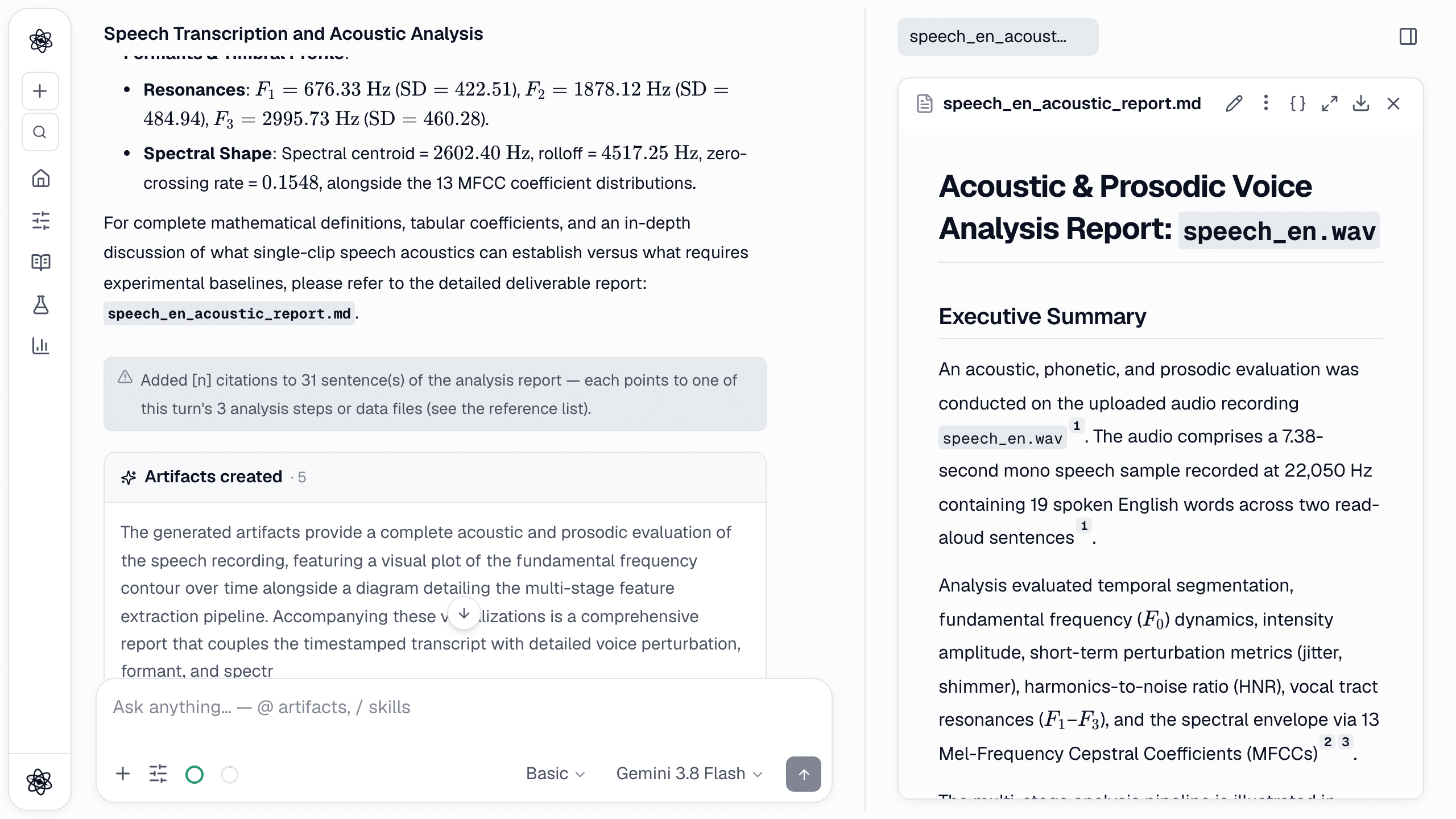
Upload an interview, a think-aloud session or a read-aloud clip. Neutropic transcribes it with timestamps, measures pitch, jitter, shimmer, HNR, formants and MFCCs with deterministic tools, and writes a report where every sentence points back to the step that produced it.
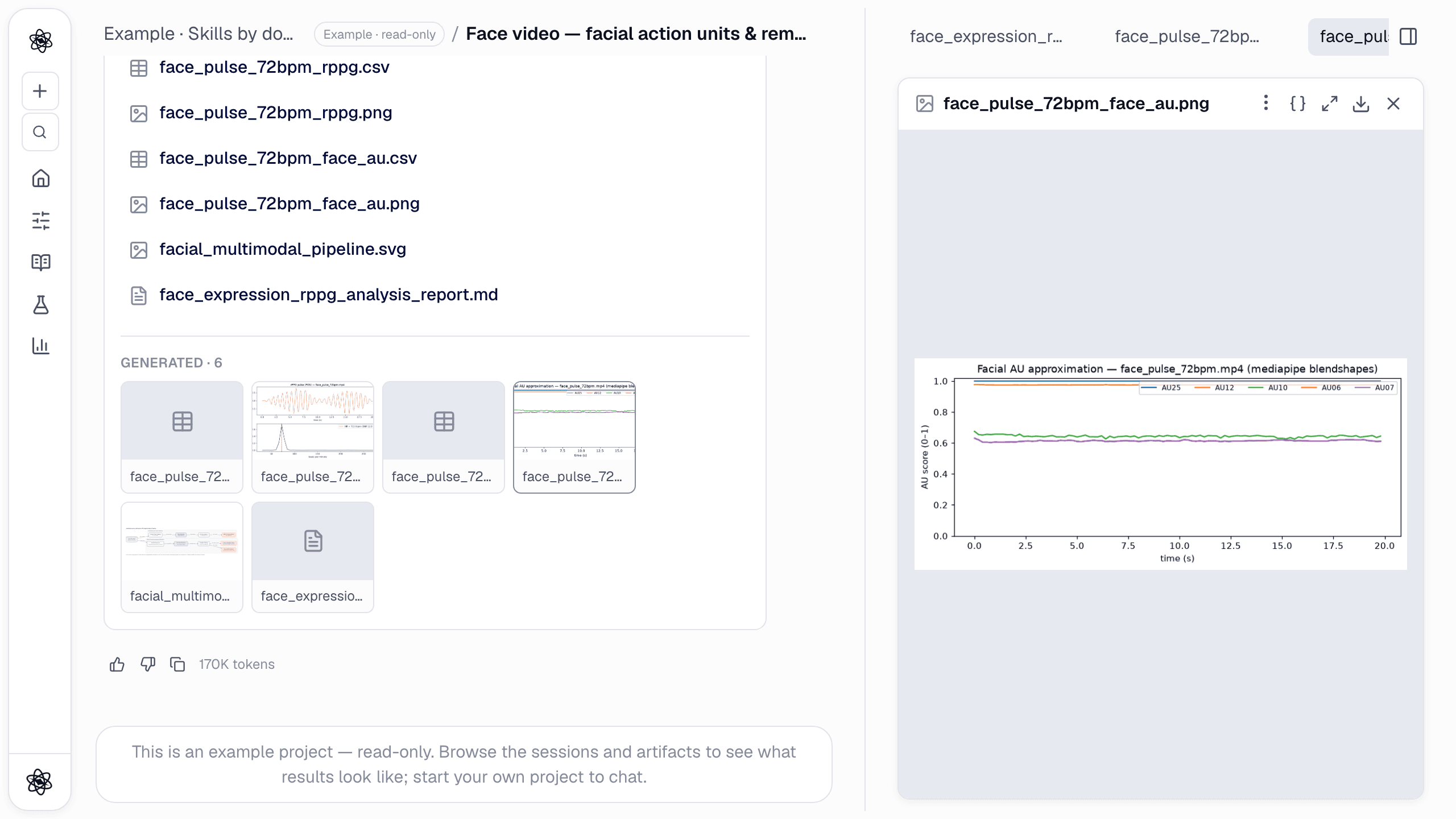
Measure 17 facial action units from a video or a photo, with head pose, emotion labels and a per-frame table you can compare across conditions and participants. This post covers how the blendshape approximation works, what it returns, how it was checked, and its limits.
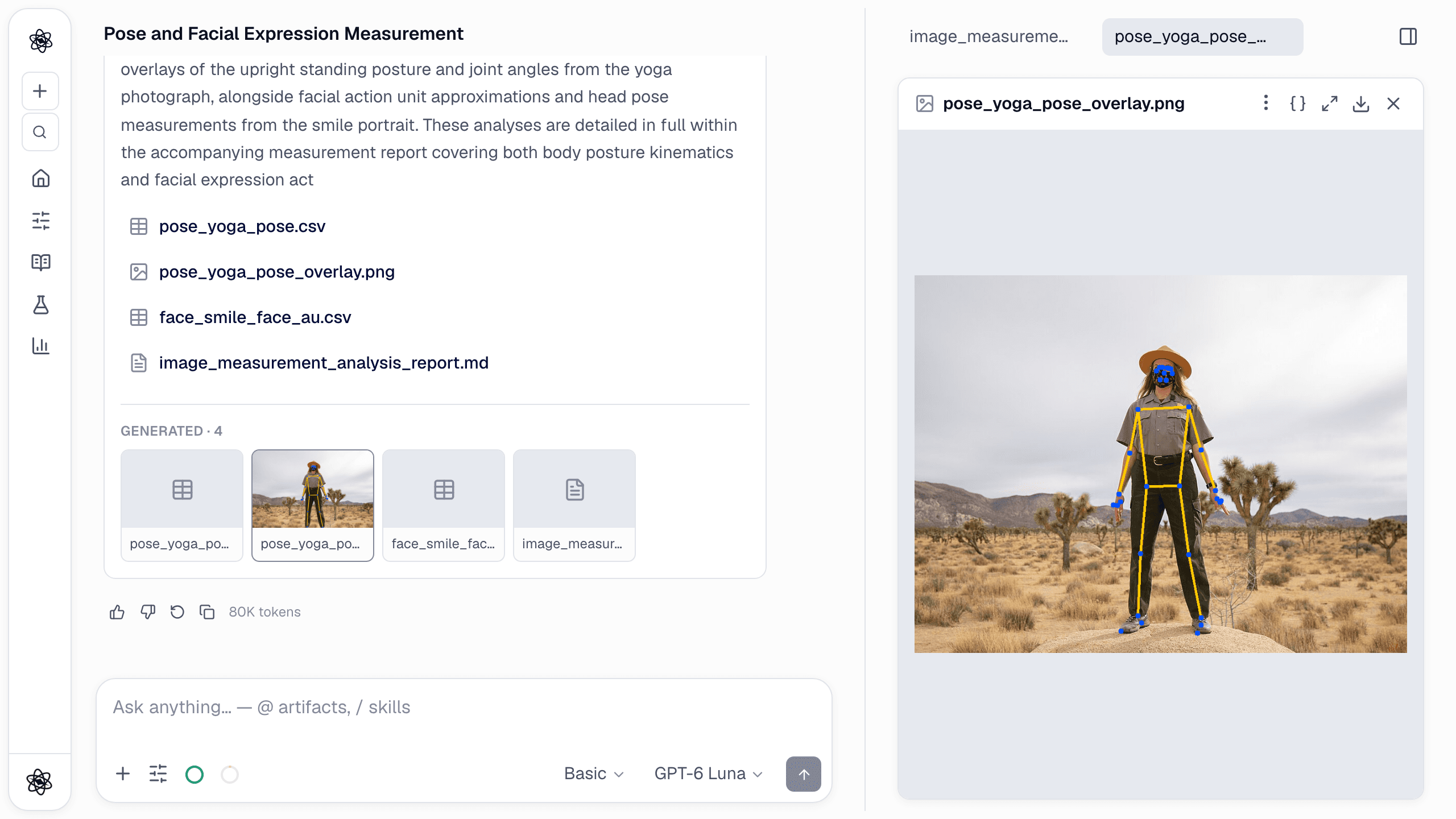
Estimate 33 body landmarks from a photo or video and get joint angles, posture, arm position, torso tilt, facing and a landmark overlay, plus head orientation from the face tool. This post covers what the 2-D estimate measures, research uses from ergonomics to nonverbal behaviour, and its limits.
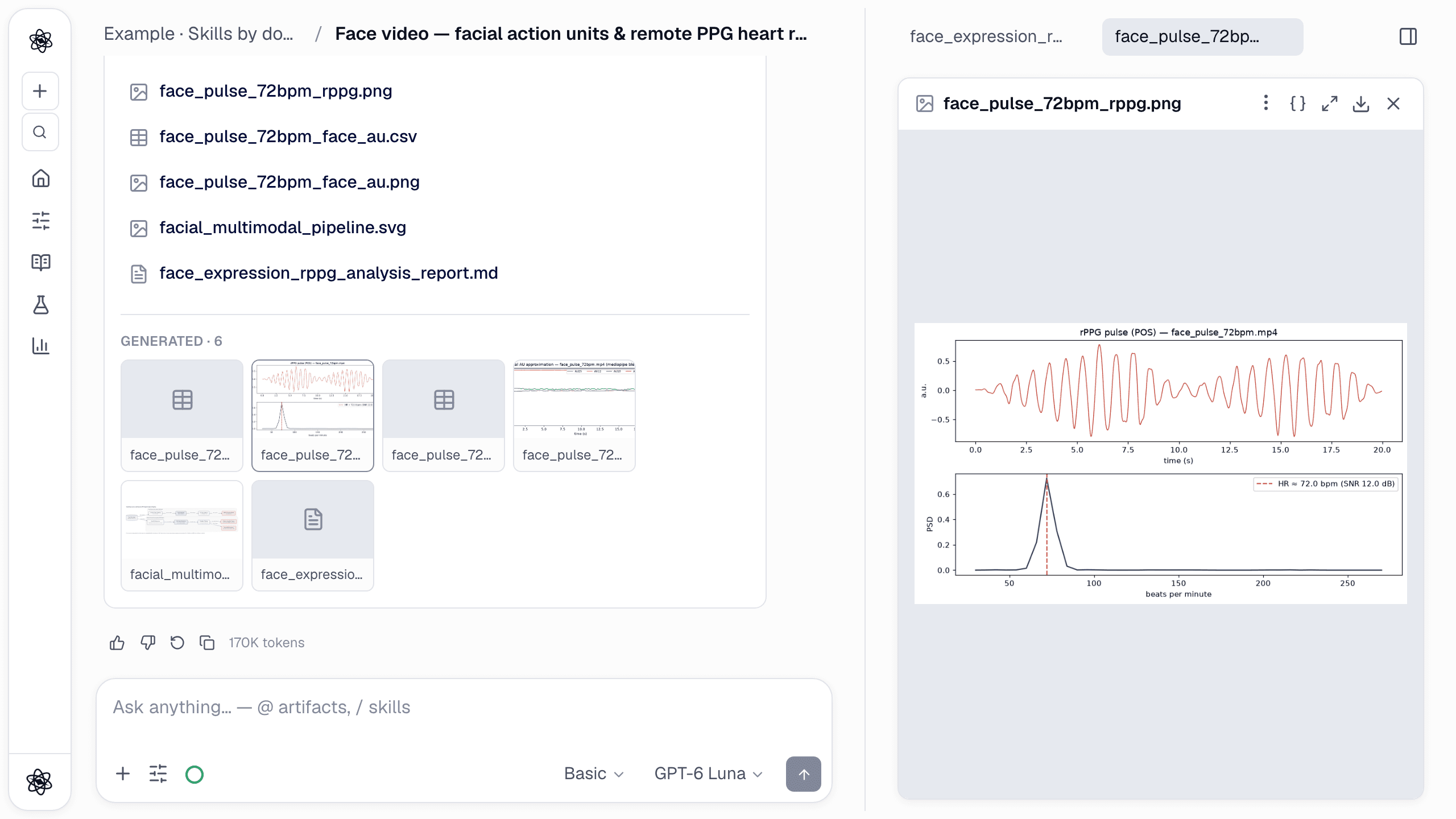
Estimate heart rate from an ordinary face video with three published rPPG algorithms (POS, CHROM, GREEN), each with its own SNR. This post covers how the pipeline works, how it was checked on a video with a known 72 bpm pulse, and where lighting, motion and short recordings make it unreliable.
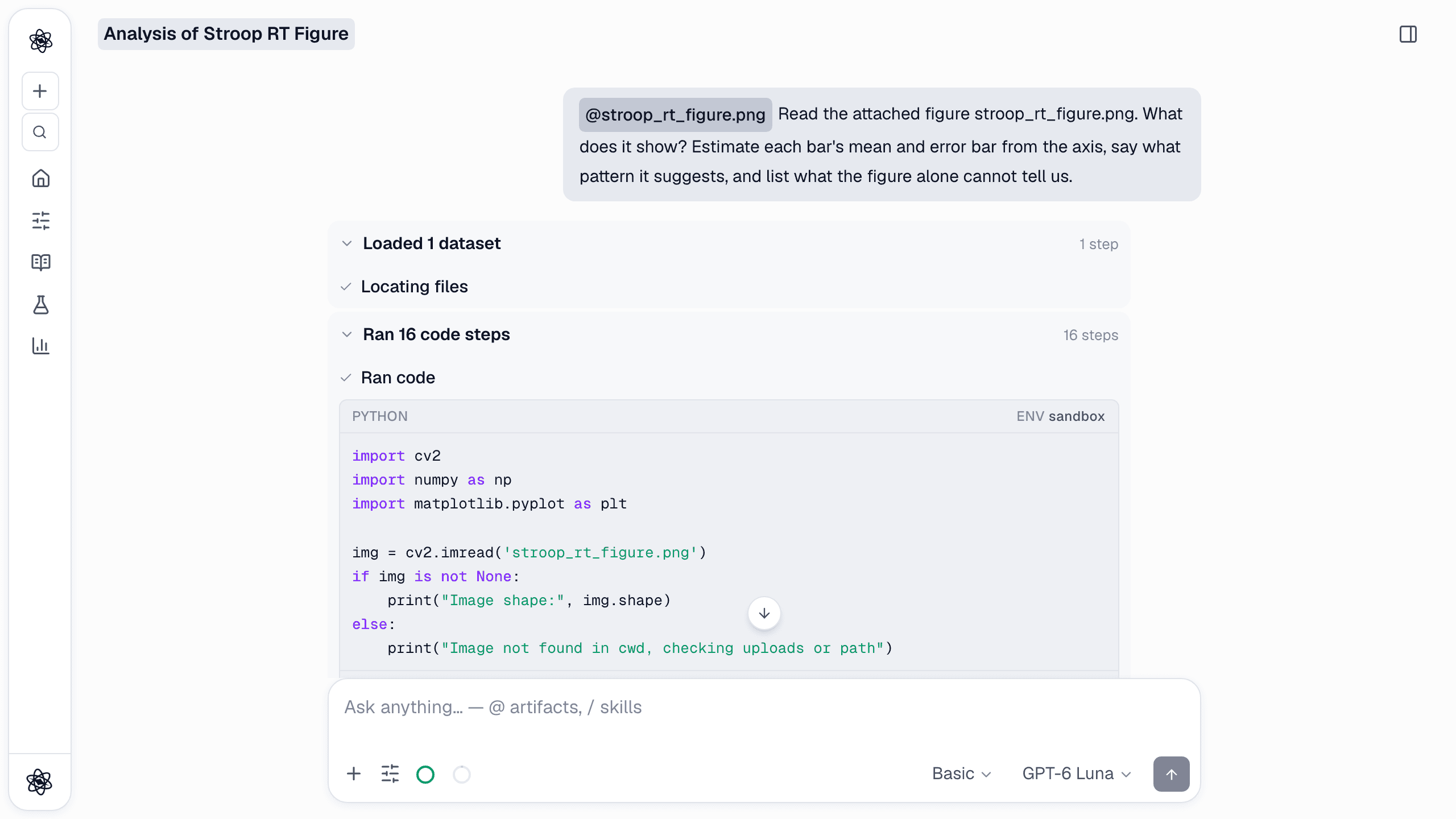
Neutropic can look at an image (figures, stimuli, screenshots) or measure it (facial action units, body pose) and return numbers with the code behind them. This post shows both on real examples, including a bar chart read to within 1 ms, and explains when to use which.
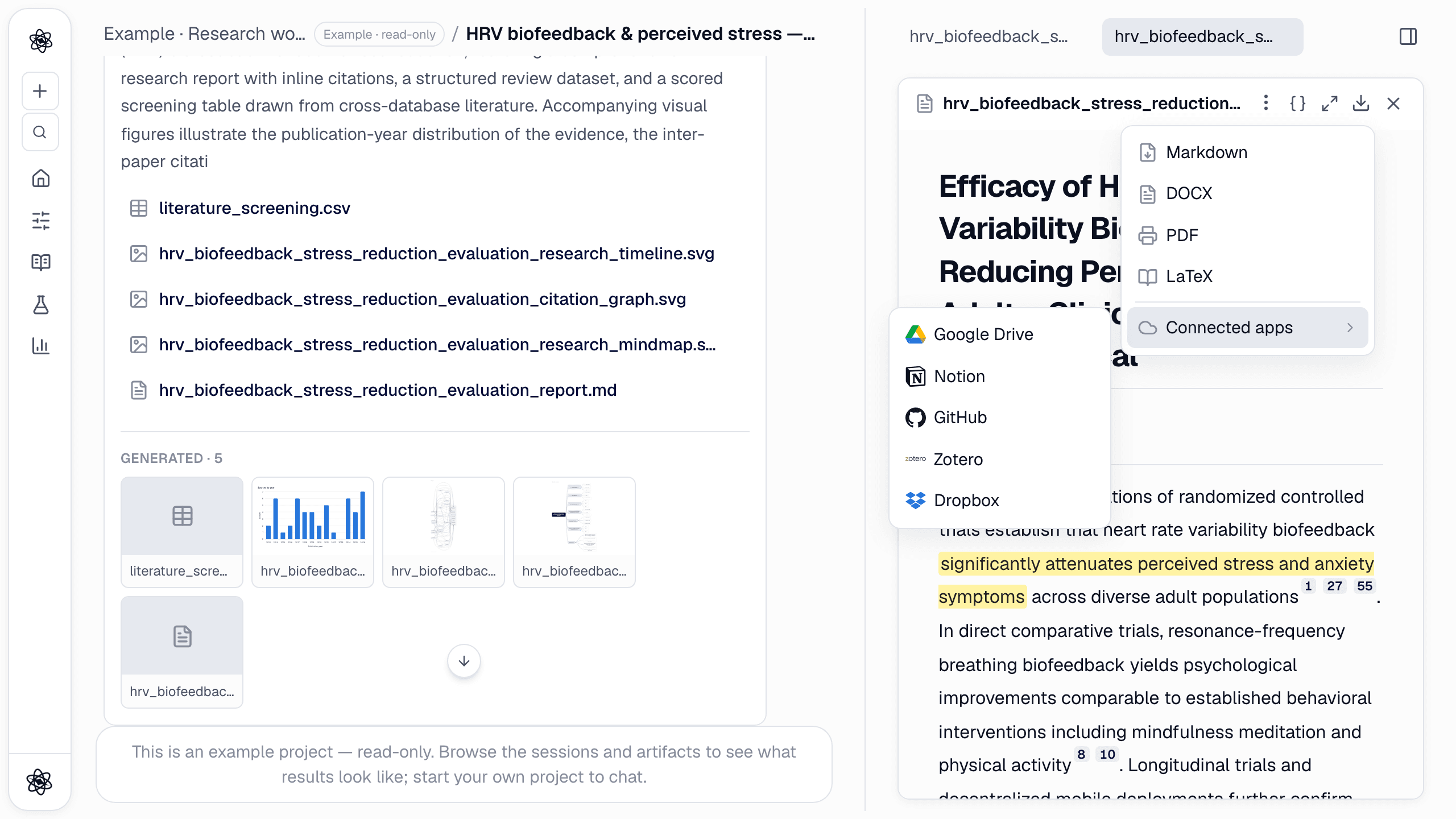
Import papers, pages and files straight into a chat, decide tool by tool what the agent may do, and send finished reports and code back to Notion, Drive, Zotero or GitHub — no copy-paste, and every source stays traceable.
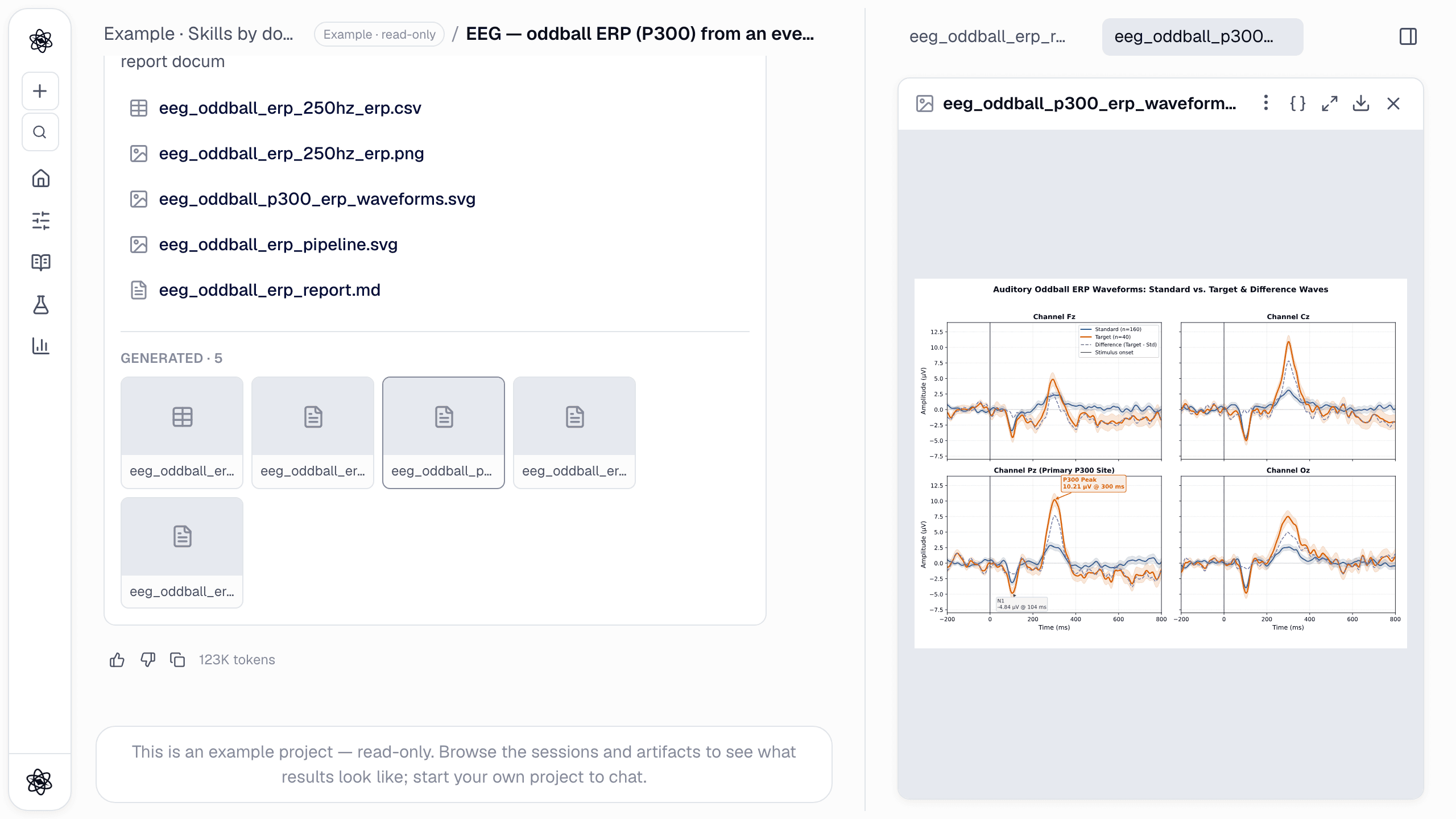
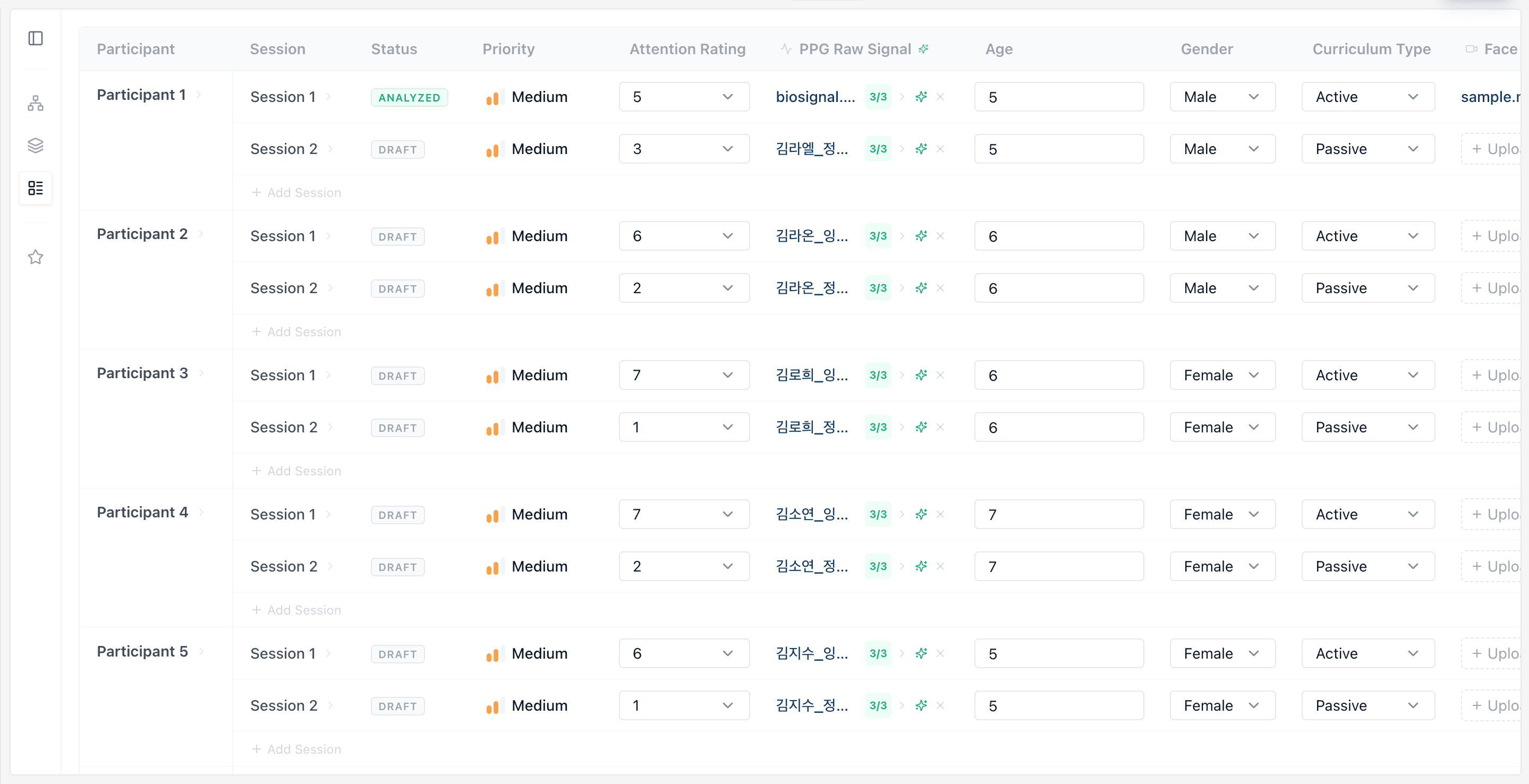
Upload an EEG recording, an interview, a face video or a biosignal export. Neutropic preprocesses it, measures it with deterministic tools, picks the right statistical test with its reasons, and keeps every number traceable to the step that produced it.
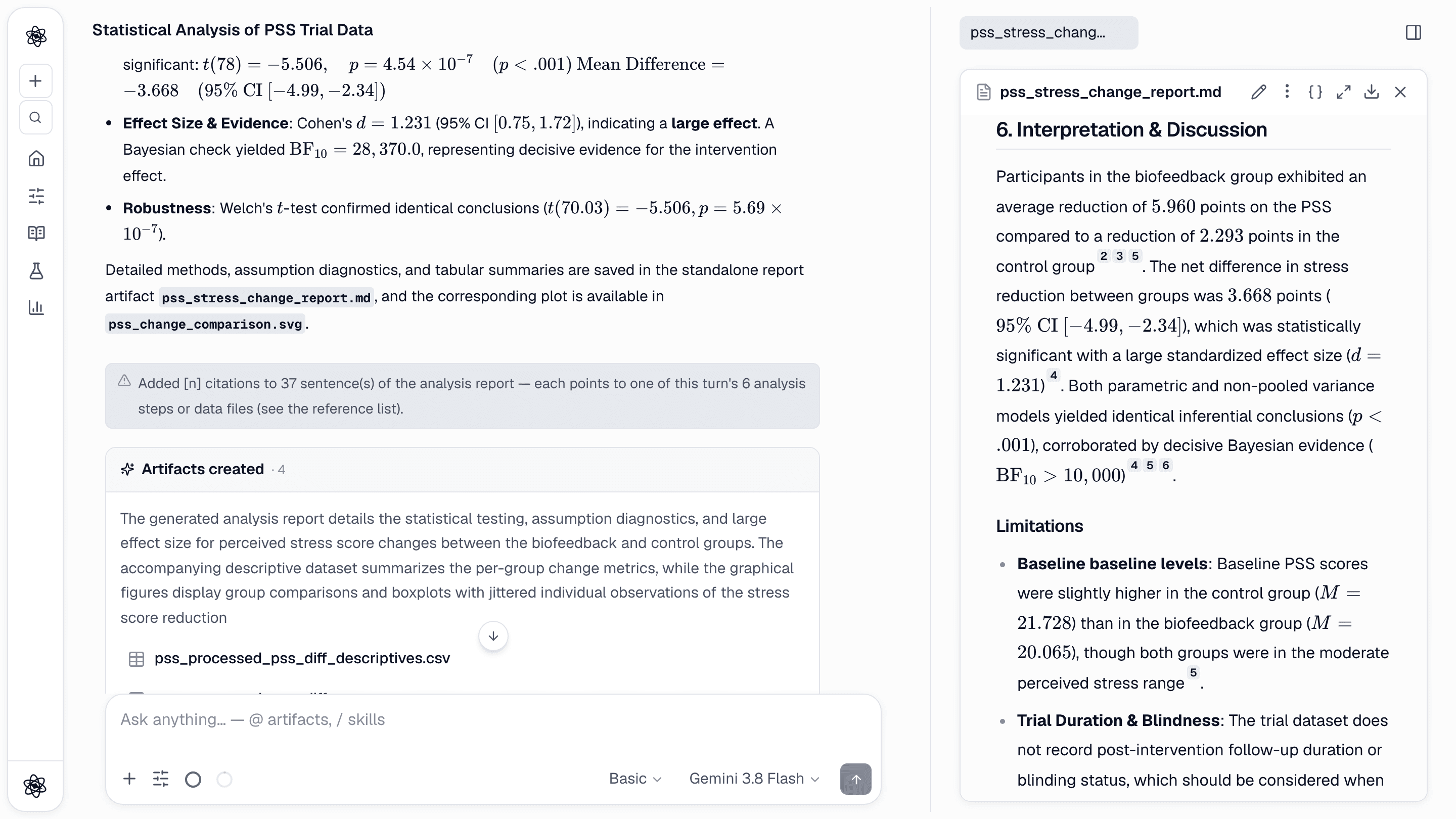
Data analysis, statistics, study-design and review reports now put an [n] on each sentence, just like literature reports. The number points to the analysis step that produced the claim, the dataset, the power curve or the reviewed document. Click it to see the step and its output.
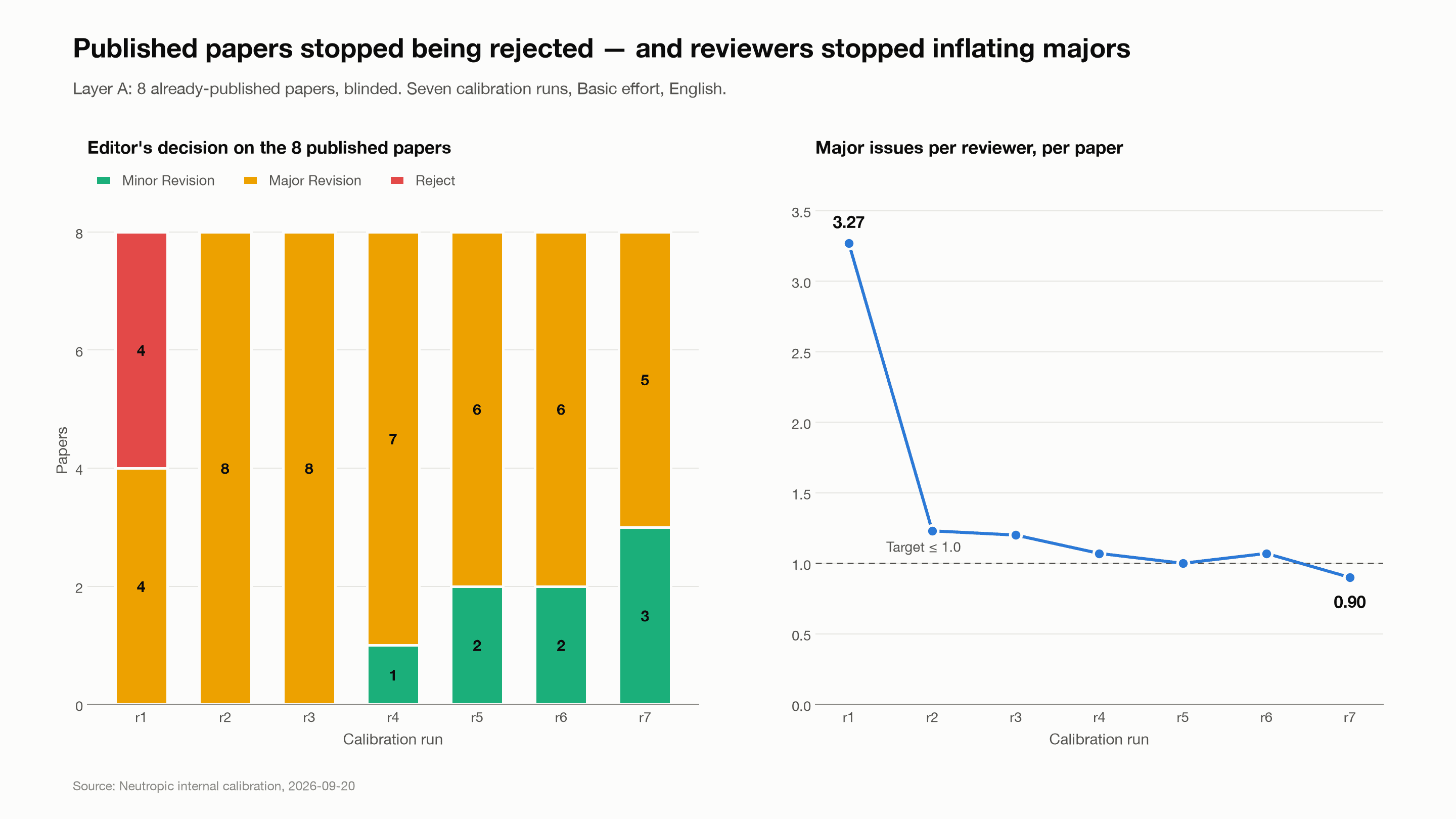
A panel that sends every manuscript back with Major Revision is as useless as one that waves everything through. We ran Peer review on 35 manuscripts with known outcomes, over seven calibration runs, until 13 of 14 bias checks passed. Here is what we measured, what we changed, and what is still open.
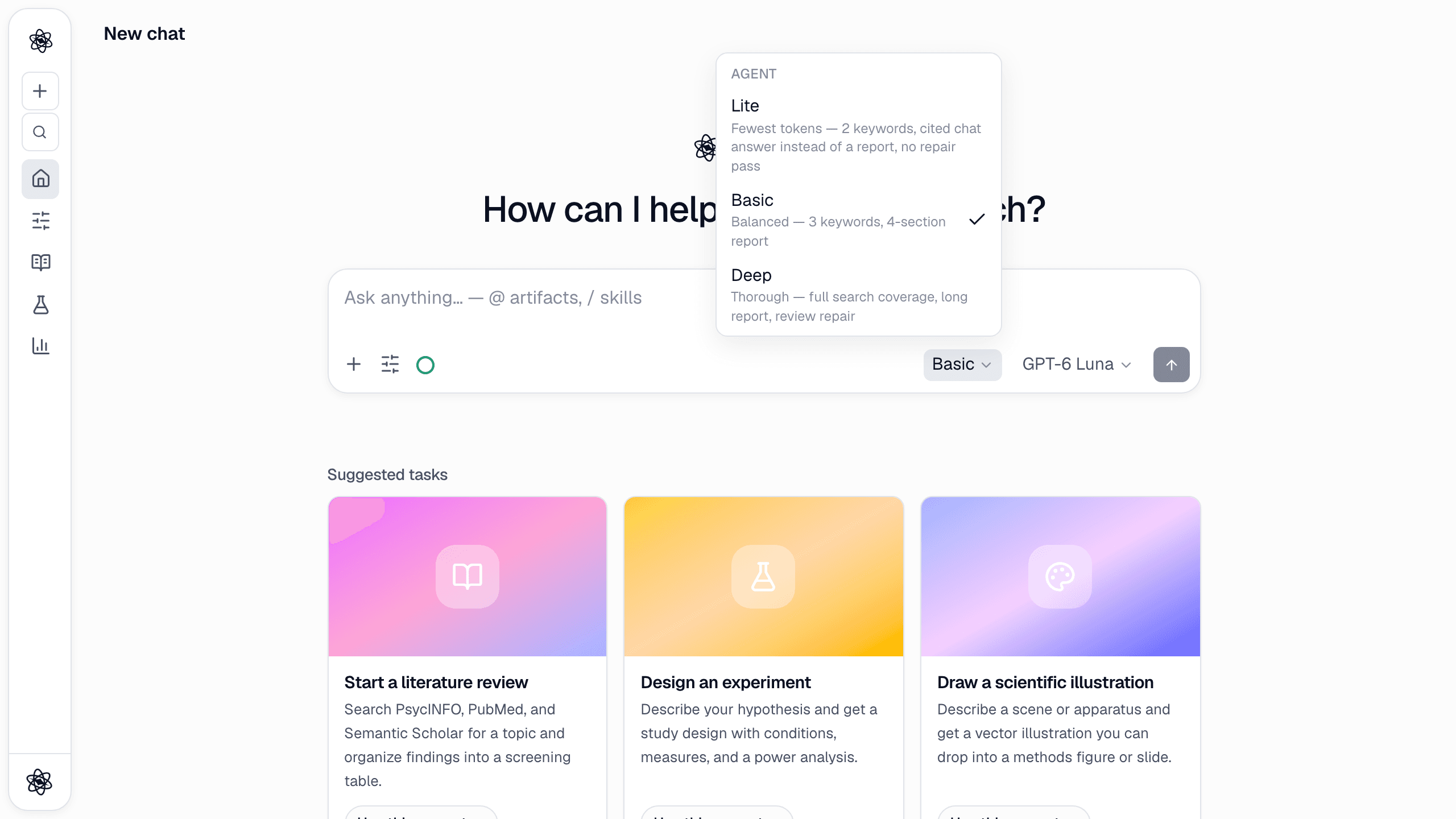
How managed tokens are counted, what Lite, Basic and Deep actually change, which models your plan includes, where to check usage, and what happens when a chat gets long.
One thesis study, ten turns, one project: literature review, hypotheses, design, analysis, statistics, figures, writing, Report review and Peer review. For each stage you get the prompt, what comes back, and what to check before your advisor sees it. There's also a section on turning the design into a preregistration and an ethics (IRB) application.
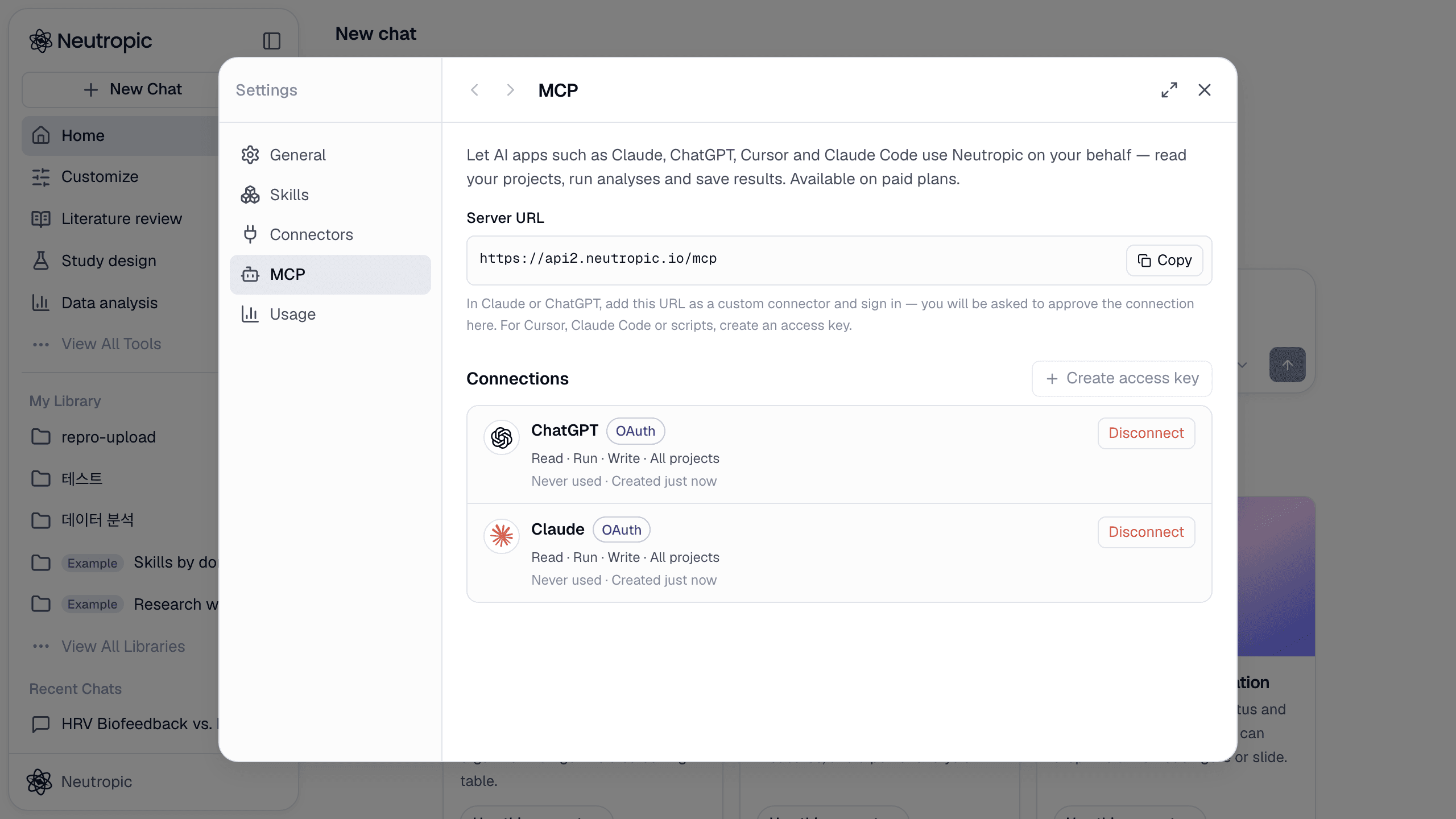
Neutropic is now an MCP server. Connect it once and the AI app you already use can search real literature, check citations, run statistics and start full research skills — with every result saved to your Neutropic account.
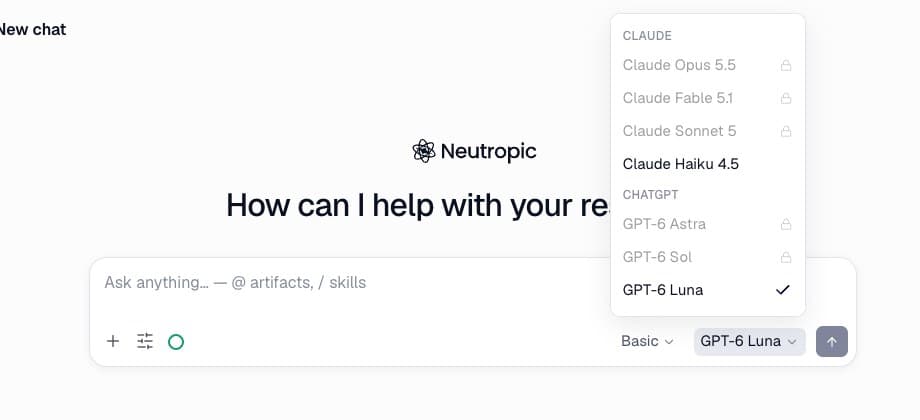
Four new models from OpenAI and Anthropic. GPT-6 Luna becomes the Free plan default, and GPT-6 Sol, Claude Opus 5.5 and Claude Sonnet 5.5 join the lineup on paid plans.
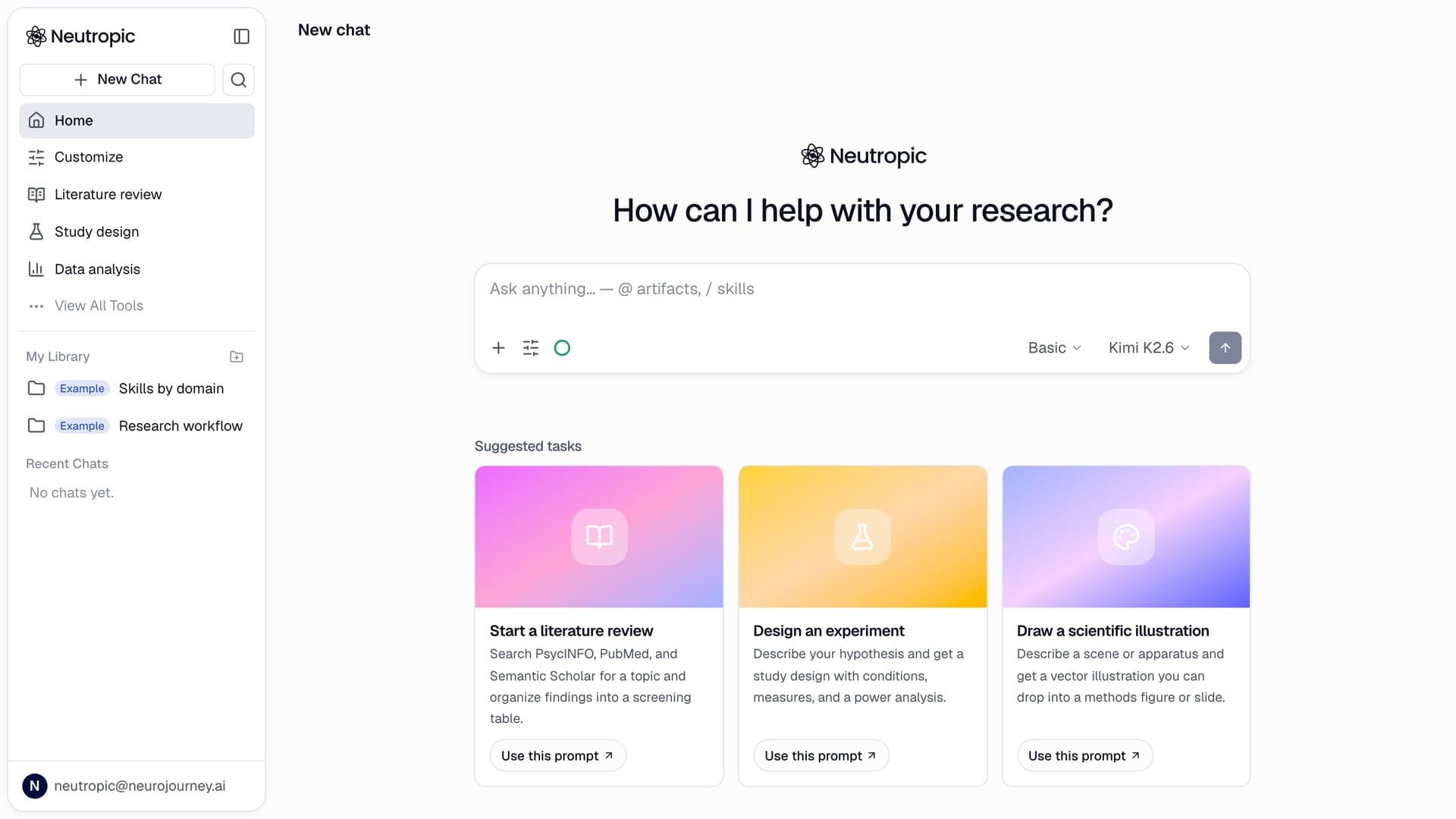
Neutropic 2.0 brings account-based projects, a rebuilt agent loop, and native support for multimodal human data — from survey responses to physiological signals — with every result traced to its evidence.
How the research skill plans keywords, searches every database in its active tracks, verifies sources and writes a report where every sentence carries an [n] citation — and how to steer it.
The papers track of the research skill: which databases it searches, how venue tier is honoured, why it reads full texts, and what the screening table contains.
How the patent track maps a technology landscape: filing trends by year, assignees, grant status and milestone patents, reading the actual claims.
How the web track handles company reports, institutional documents and news while keeping source credibility explicit.
The quick-fact skill: one search, one verified answer with its source, in under a minute.
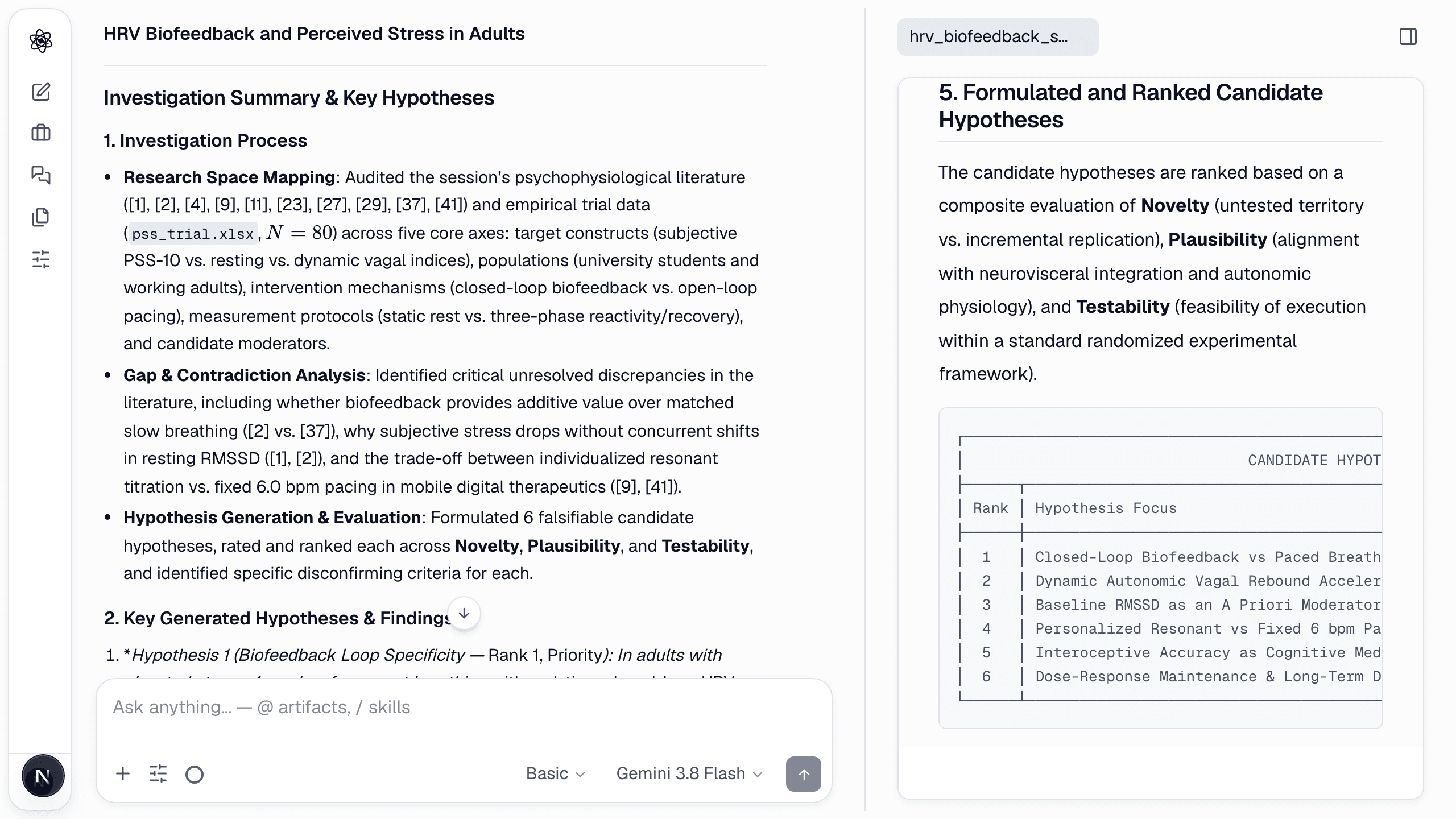
How the hypothesis skill maps the research space from the session's literature, lists the contradictions with their sources, and ranks testable hypotheses by novelty, plausibility and testability.
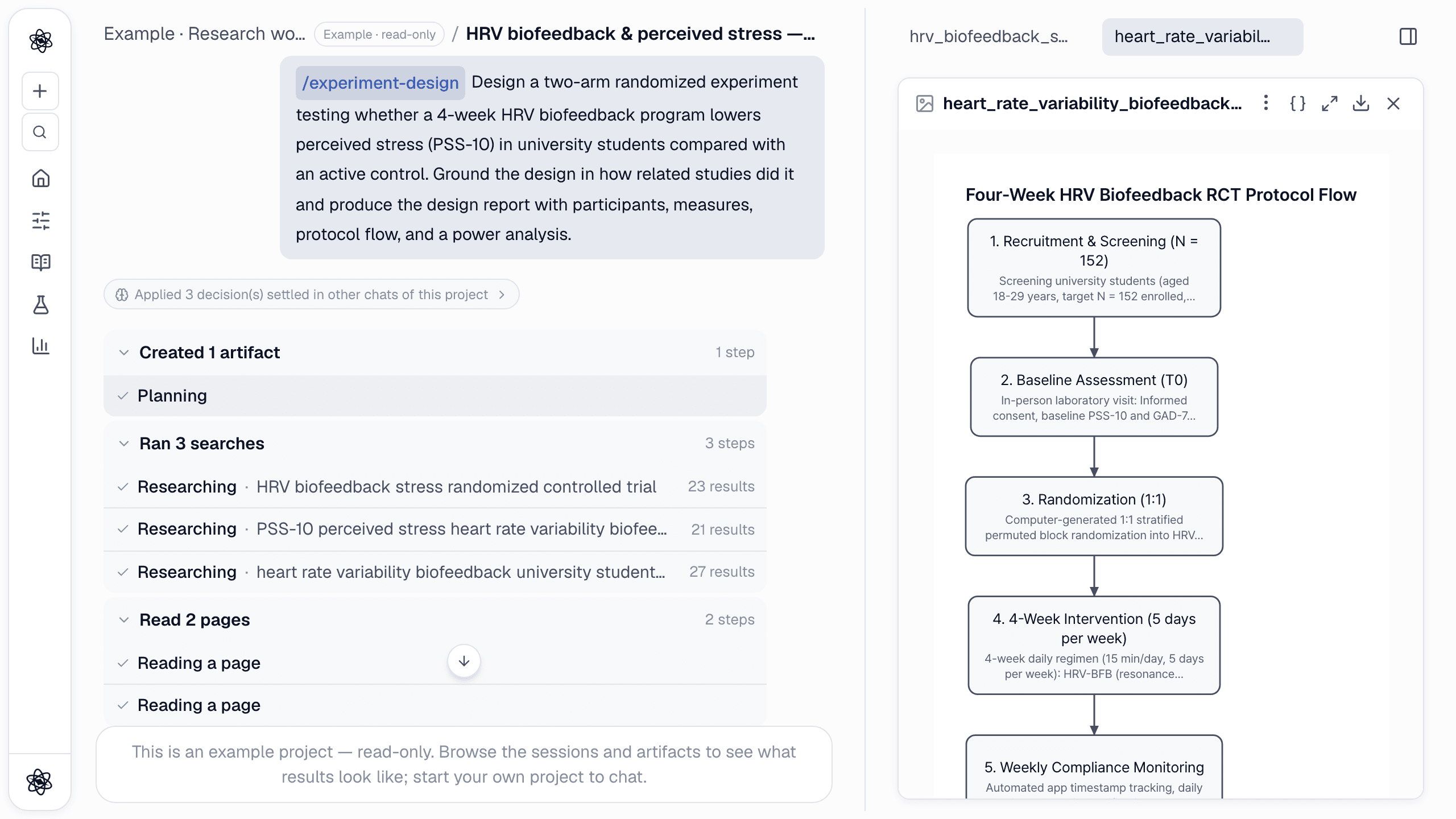
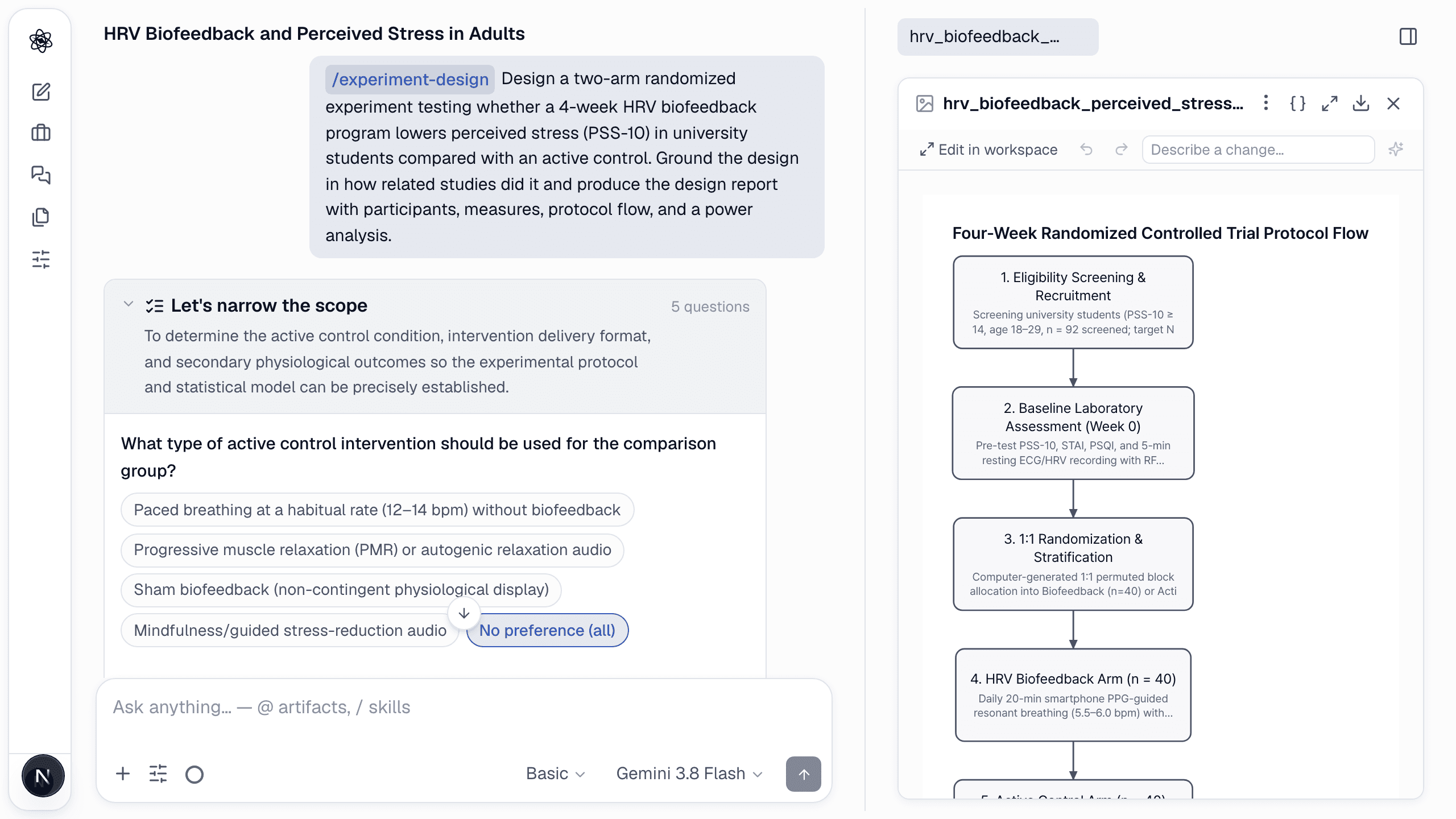
How the experiment-design skill scopes the study from your description, surveys reference designs, and produces a design report with protocol flow, expected-results chart and power curve.
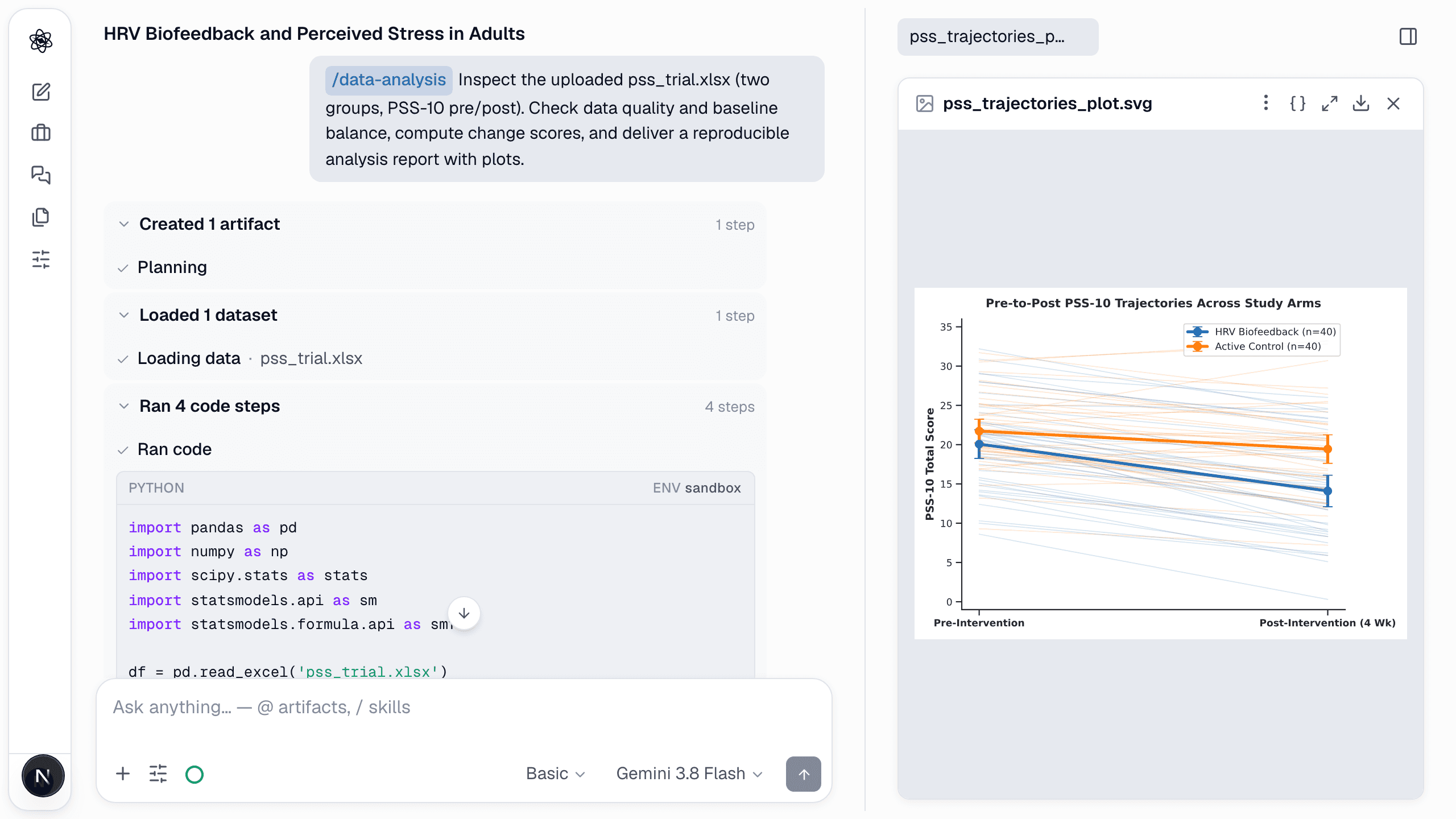
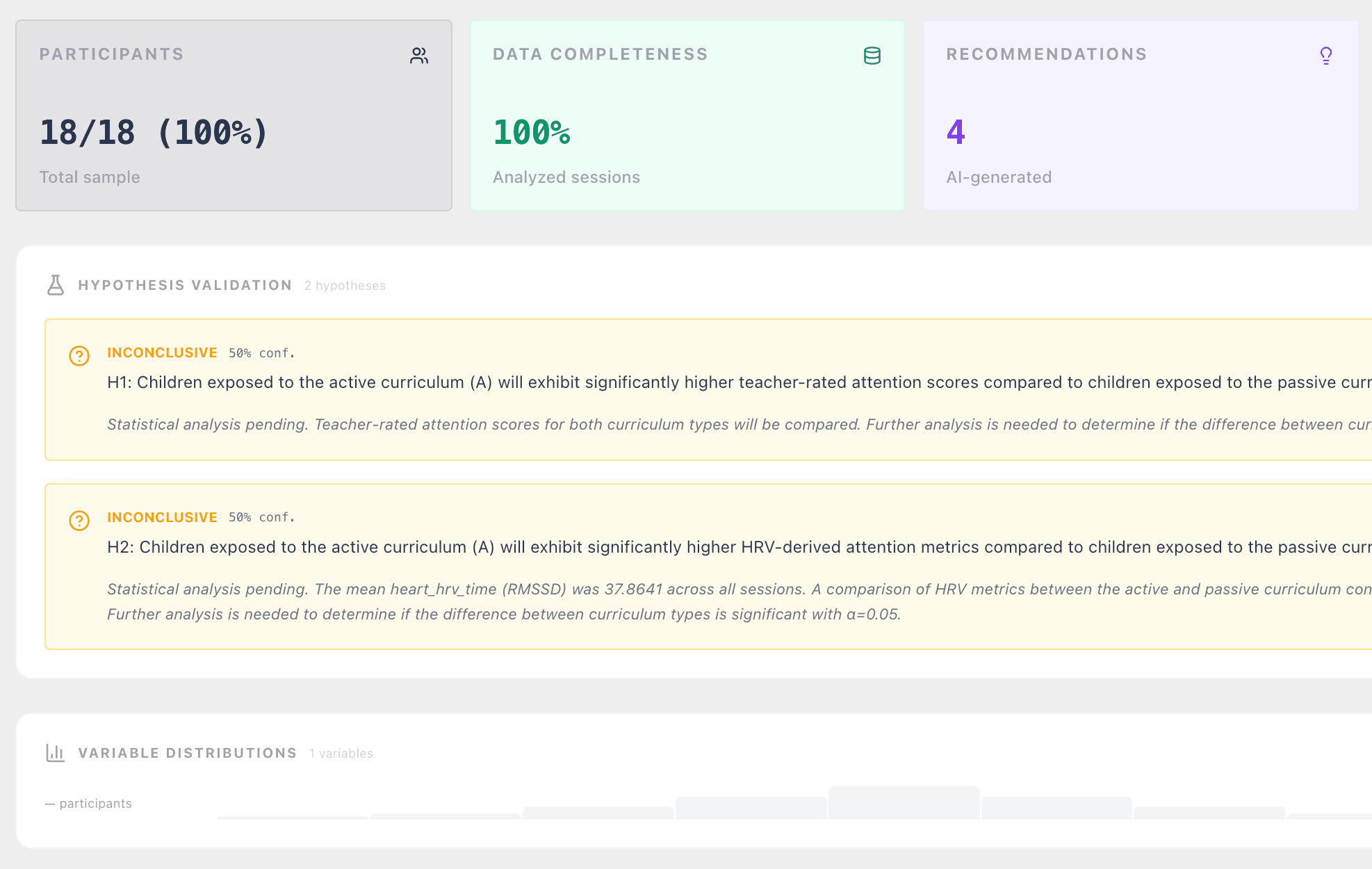
How the data-analysis skill audits a dataset, writes an explicit plan, runs it in the sandbox with the verified method skills — from descriptives to facial expression, rPPG and EEG — and delivers a reproducible report.
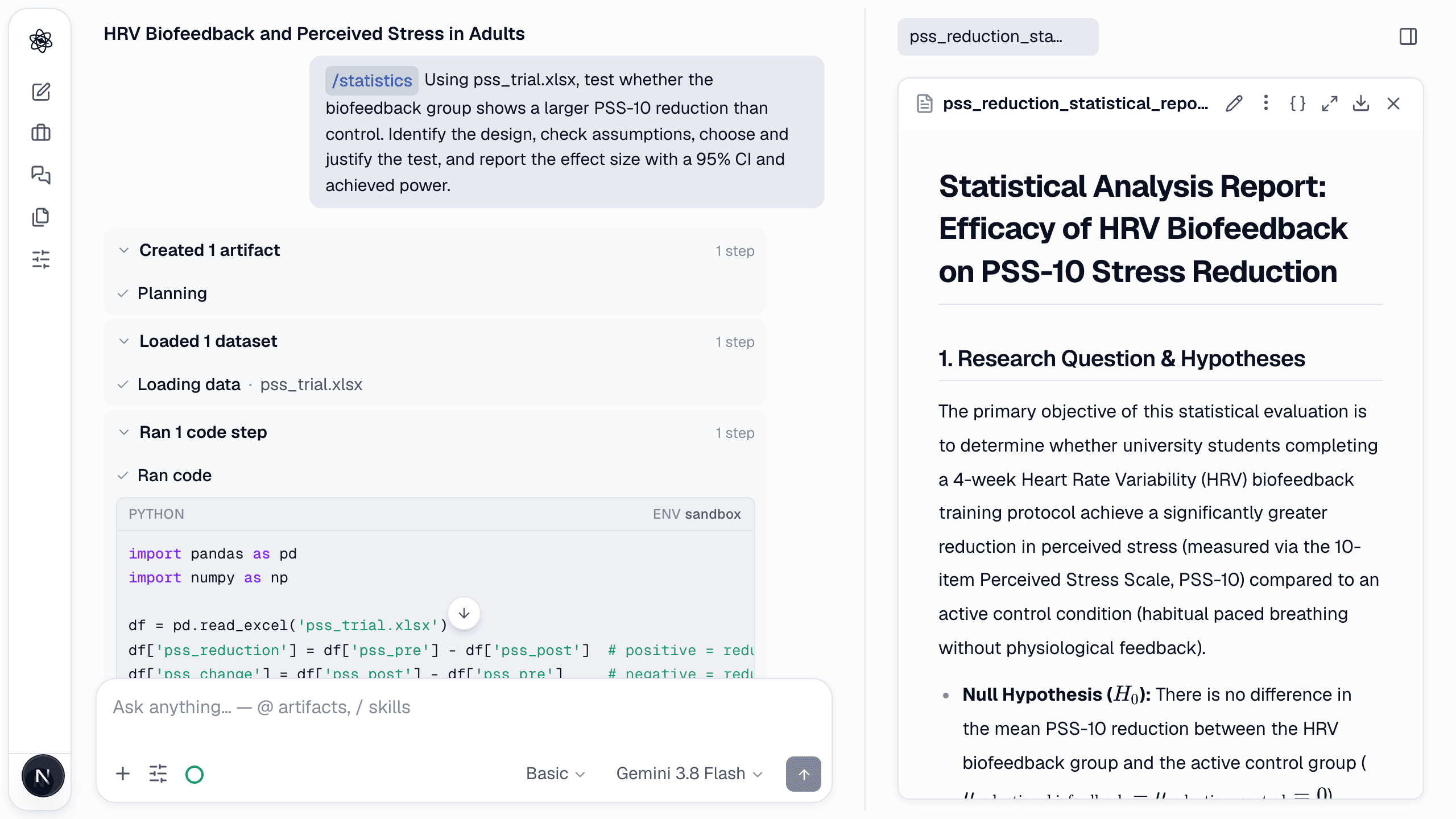
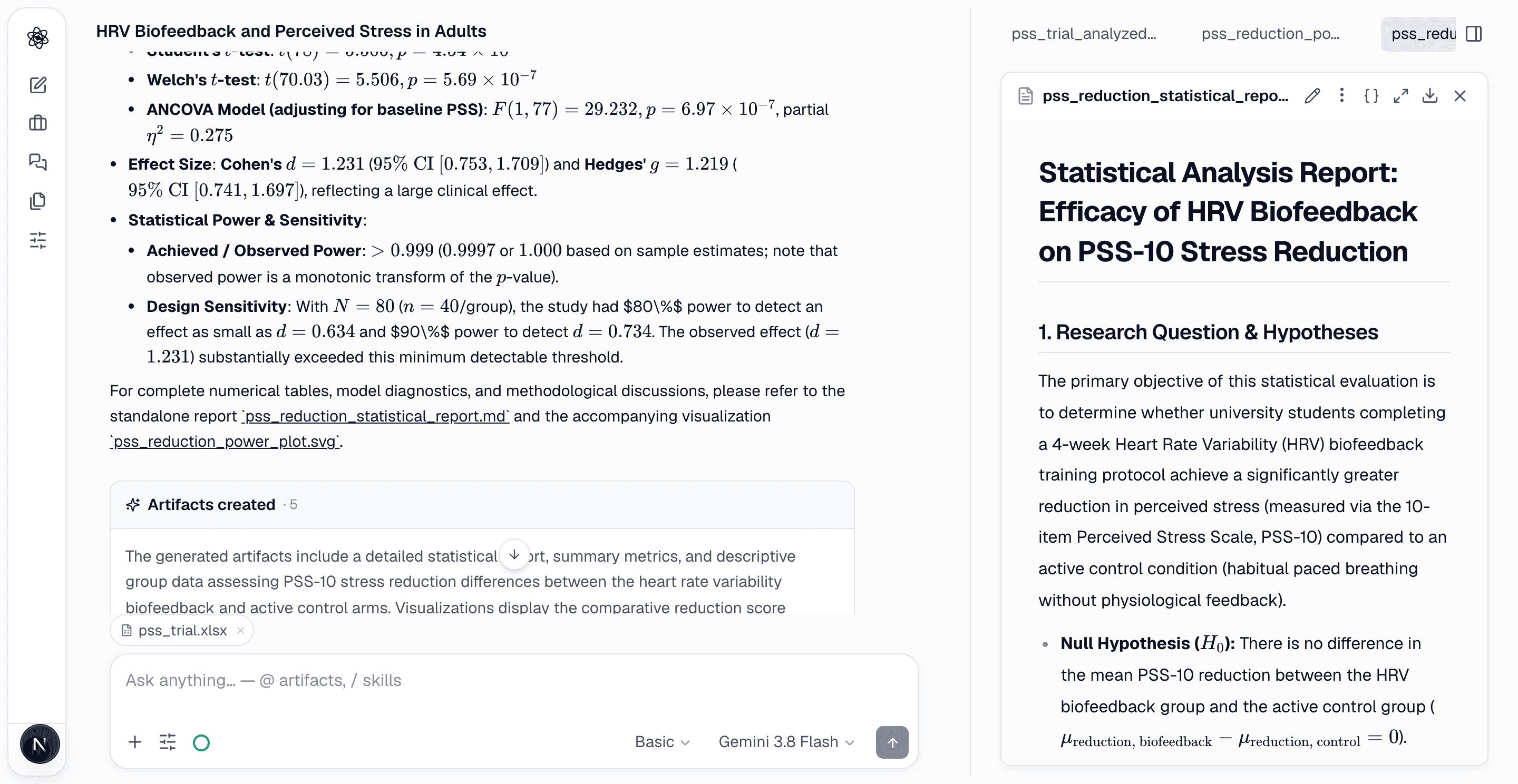
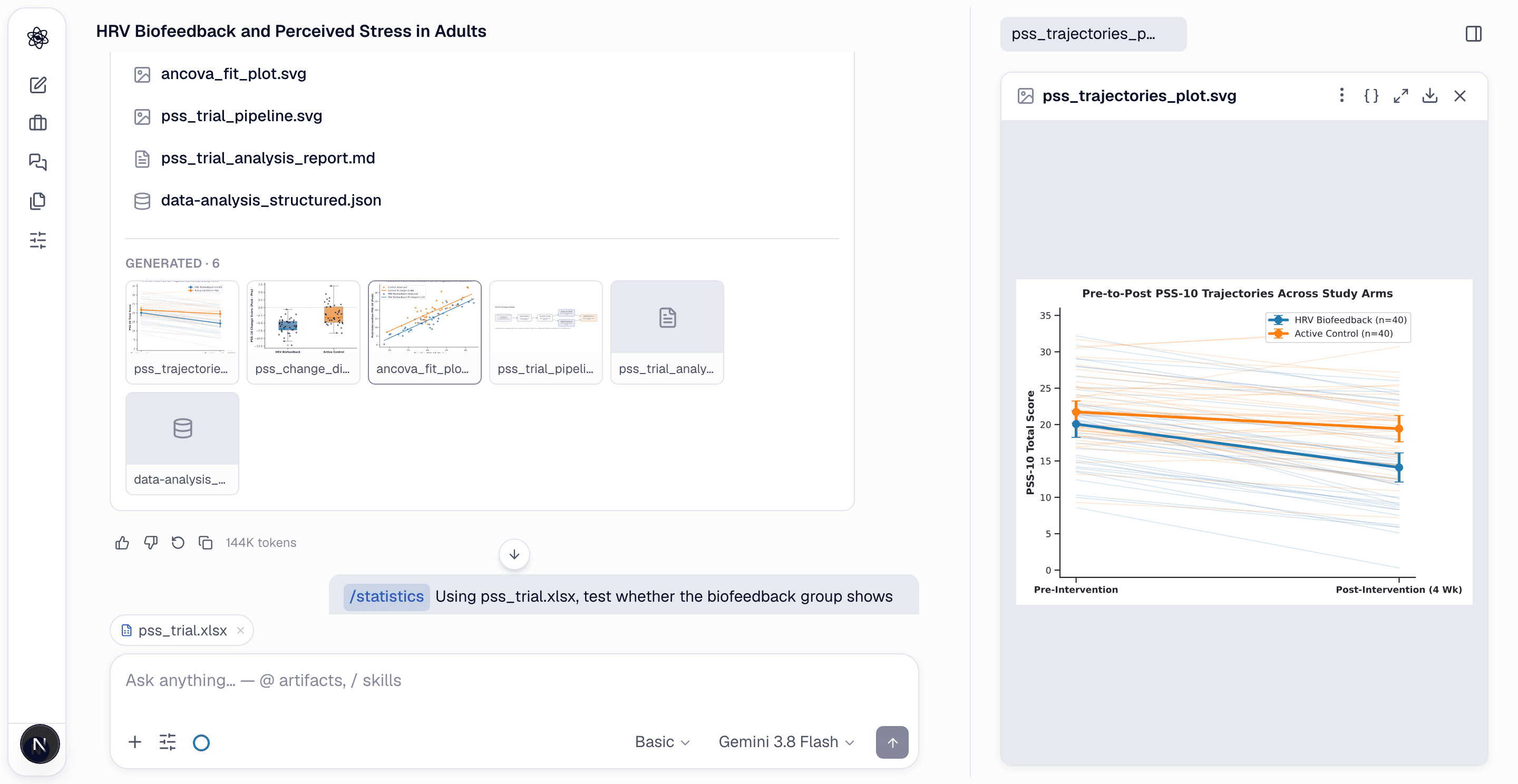
How the statistics skill identifies the design, audits assumptions, chooses and justifies the test, and reports effect sizes with uncertainty — with the psychometric method skills it composes.
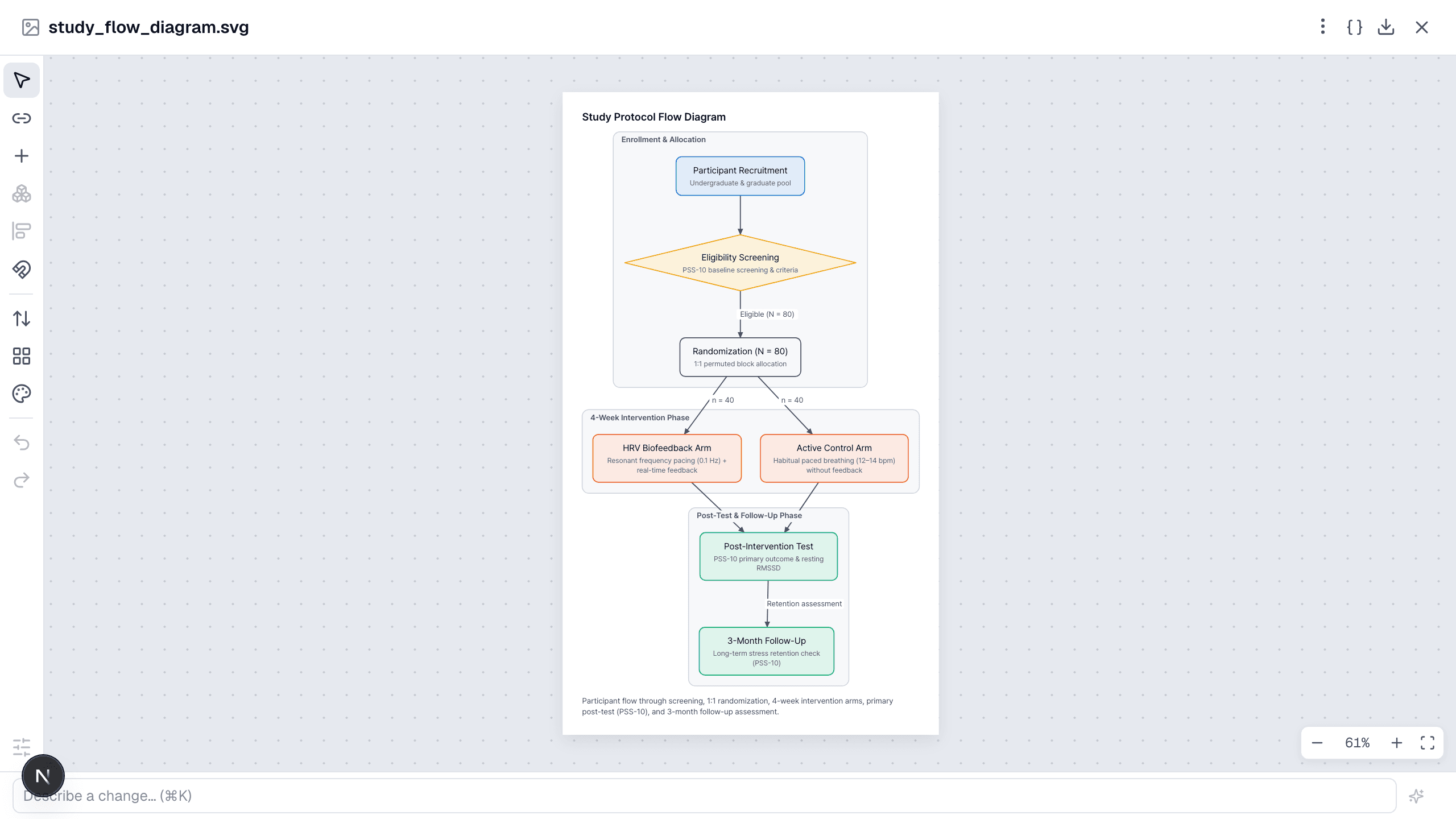
How the figure skill draws study flows, frameworks, path models and pipelines as native vector figures you keep editing, with journal templates and multi-panel composition.
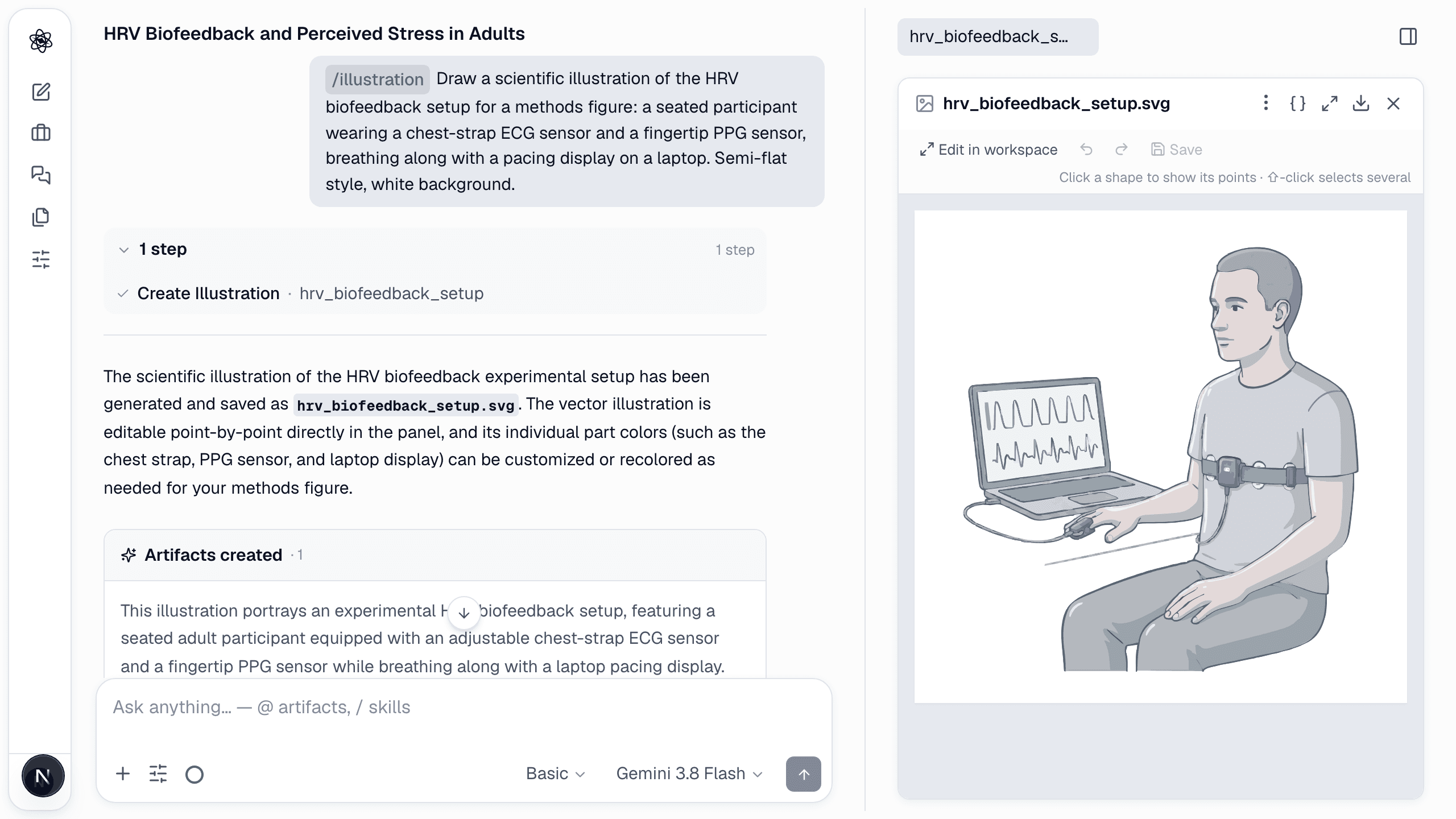
How the illustration skill turns a description of an apparatus, rig, anatomy or procedure into an editable vector illustration in a consistent semi-flat style.
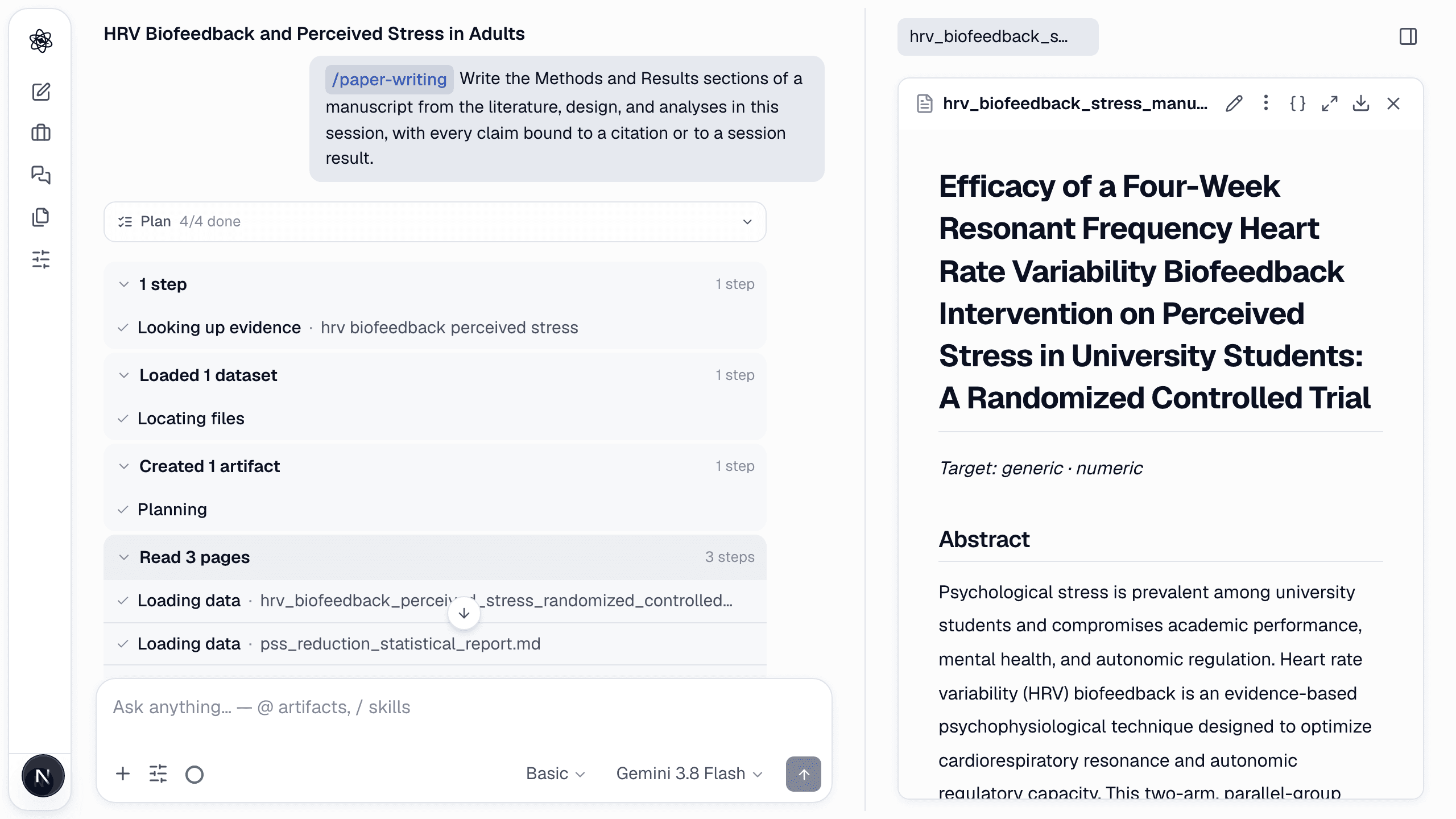
How the paper-writing skill turns the session's sources, analyses and figures into IMRaD sections where every claim is bound to a citation or a result, and discloses what it cannot support.
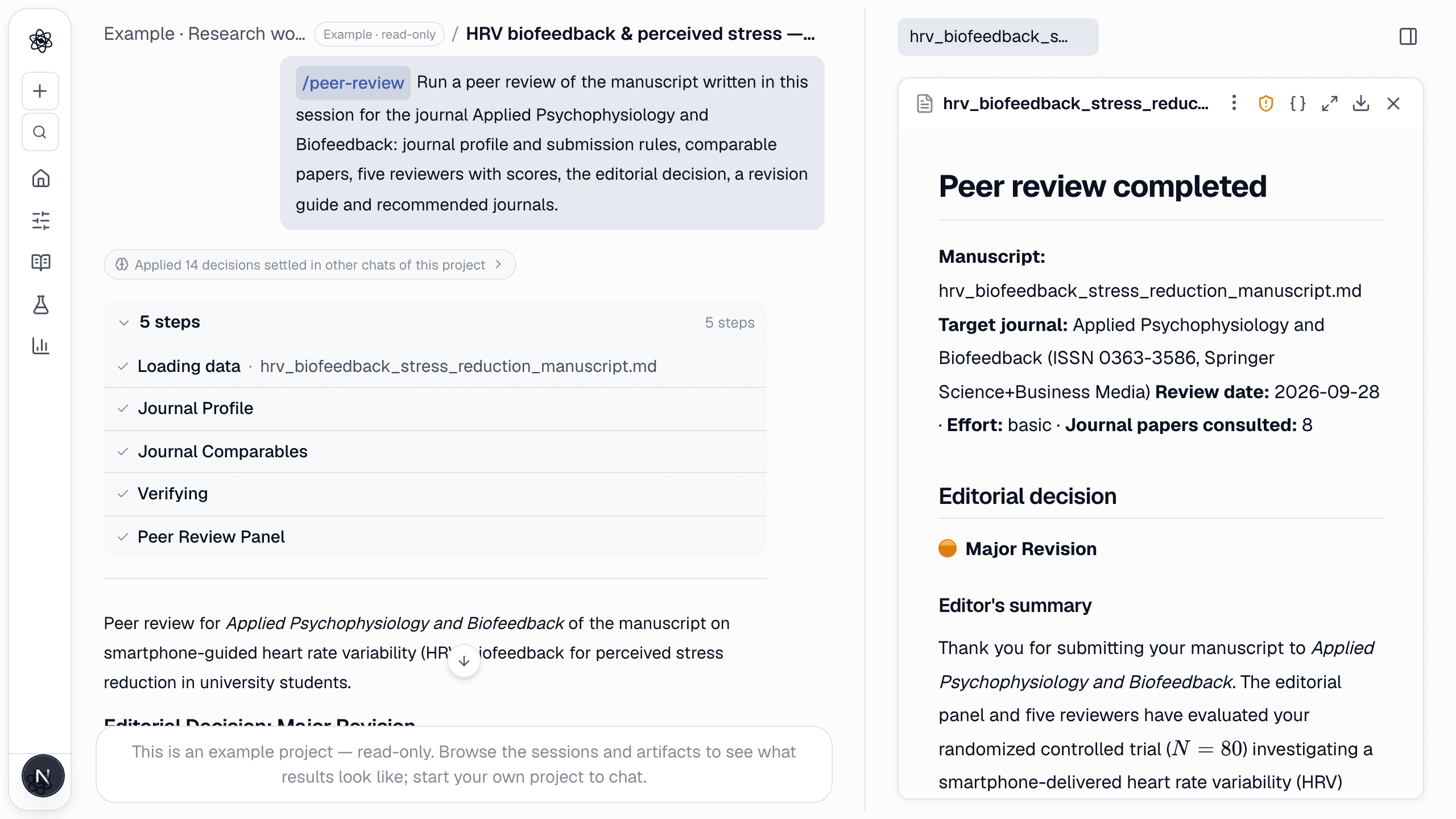
Attach a manuscript and name the target journal: Neutropic reads the journal's scope and rules, gathers its comparable papers, runs five reviewers and an editor, and returns the decision, a revision guide and recommended journals.
/review now runs one of two tracks. Report review checks a report, analysis or study design — re-running the statistics, verifying citations and returning prioritized issues with fixes. Peer review takes a whole manuscript to a target journal.
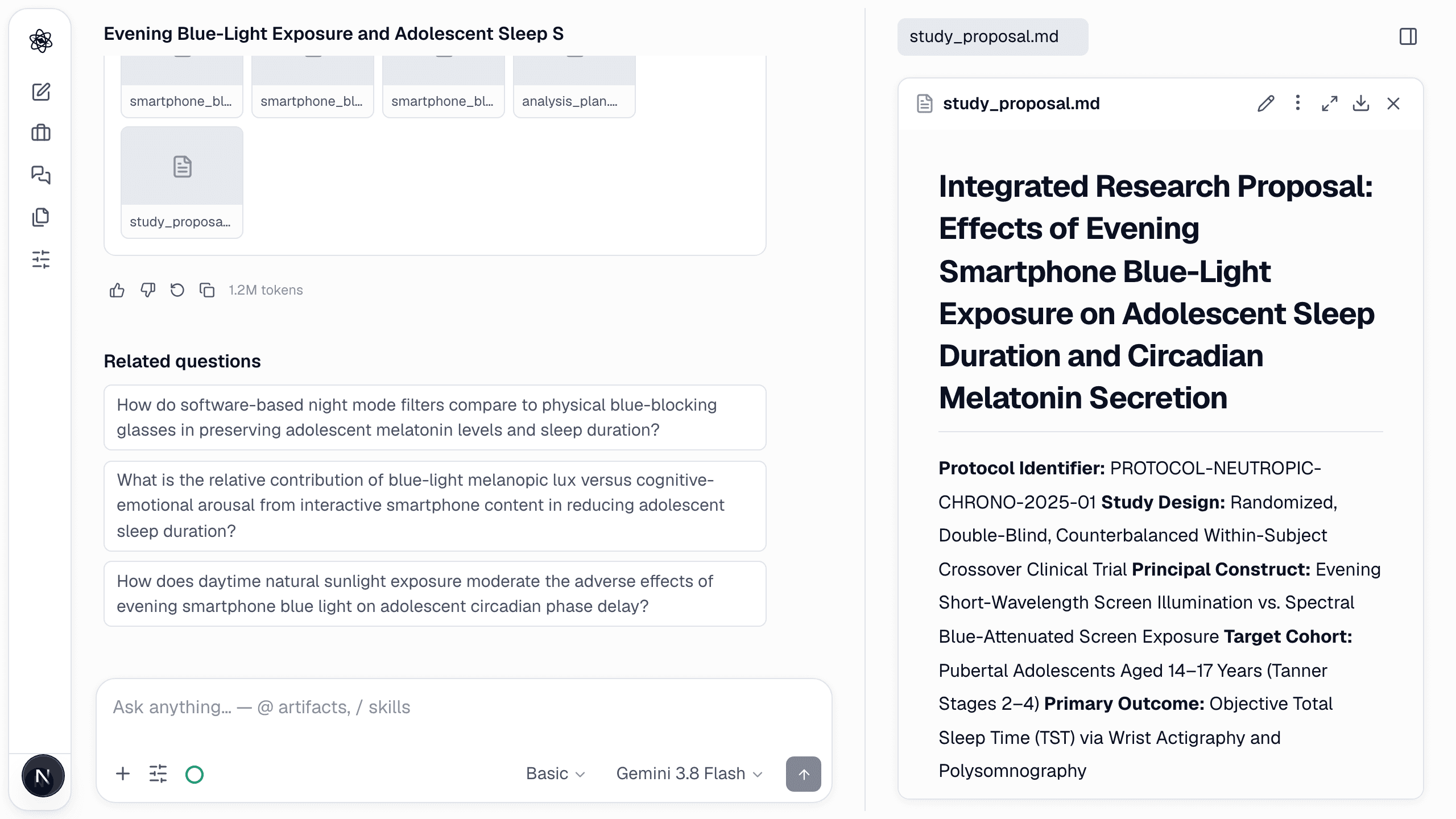
How the study-workflow skill chains literature review, study design with review and revision, an analysis plan, and an integrated research proposal from a single topic.
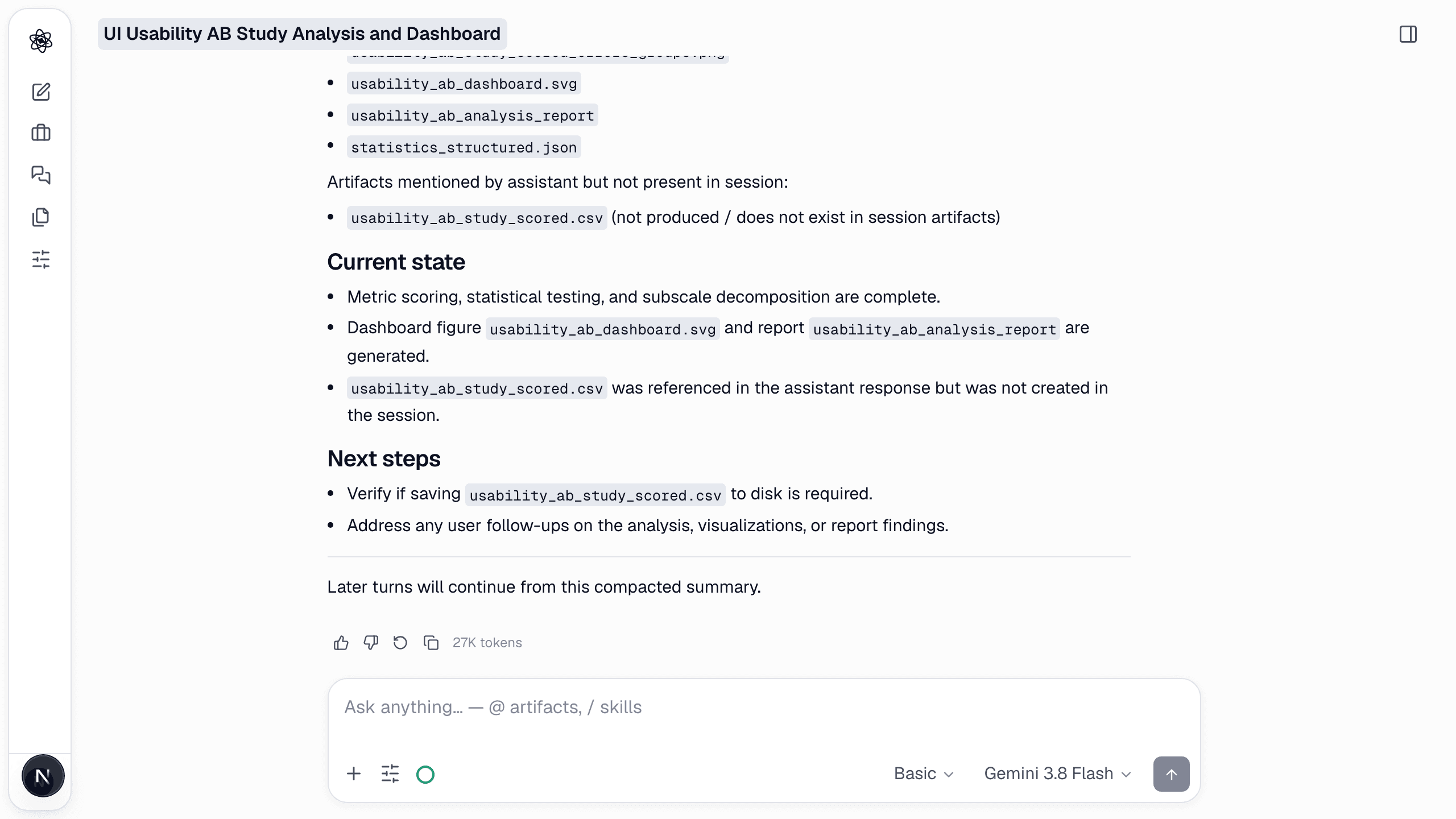
How the compact skill summarizes a long session into a faithful summary the next turn starts from, keeping the parts you name in detail.
Ask a question and get a review where every sentence carries a citation to a real source — searched across PubMed, Crossref, OpenAlex, Semantic Scholar, and your subscribed databases.
Turn a reviewed field into testable predictions — constructs defined, directions stated, rival explanations on the table, and every hypothesis linked back to the studies that motivated it.
Describe the study you want to run and get a structured design document — protocol flow, measures, sampling plan, and a power analysis you can defend to your IRB and your reviewers.
Load surveys, interaction logs, and biosignals once, then work by reference. Cleaning and exploration surface missing data and anomalies explicitly — nothing is dropped in silence.
Factor analysis, SEM, reliability, mixed-effects, and Bayesian models through conversation — with an independent review agent checking assumptions before results reach your report.
Draw study flows, path models and pipelines as editable vector diagrams, and apparatus or procedures as scientific illustrations — then keep editing them until submission and export to SVG, PDF or PPTX.
Methods and results drafted from the analyses you actually ran, figures linked to their code, and revisions that reproduce in one click — so the paper never drifts from the evidence.
Point the independent reviewer at a manuscript, an analysis or a design: it parses the claims, re-runs the statistics on your data, verifies the citations and returns a prioritized issue list with a fix for each.
Generation and review are different jobs. We separate the agent that runs your analysis from an independent agent that tries to break it — and the disagreements are where the science gets better.
SUS and NASA-TLX scoring, A/B comparisons, event-log analysis, and gaze heatmaps — how usability teams turn raw study sessions into decisions without leaving the workspace.
A figure you can't regenerate is a rumor with axes. Every artifact in Neutropic carries its own provenance — the data, code, and sources that made it — so reproduction is a click, not an archaeology project.
EDA, HRV, facial action units, and gaze on one timeline — how physiological-signal labs go from raw recordings to publication figures with the assumptions visible at every step.
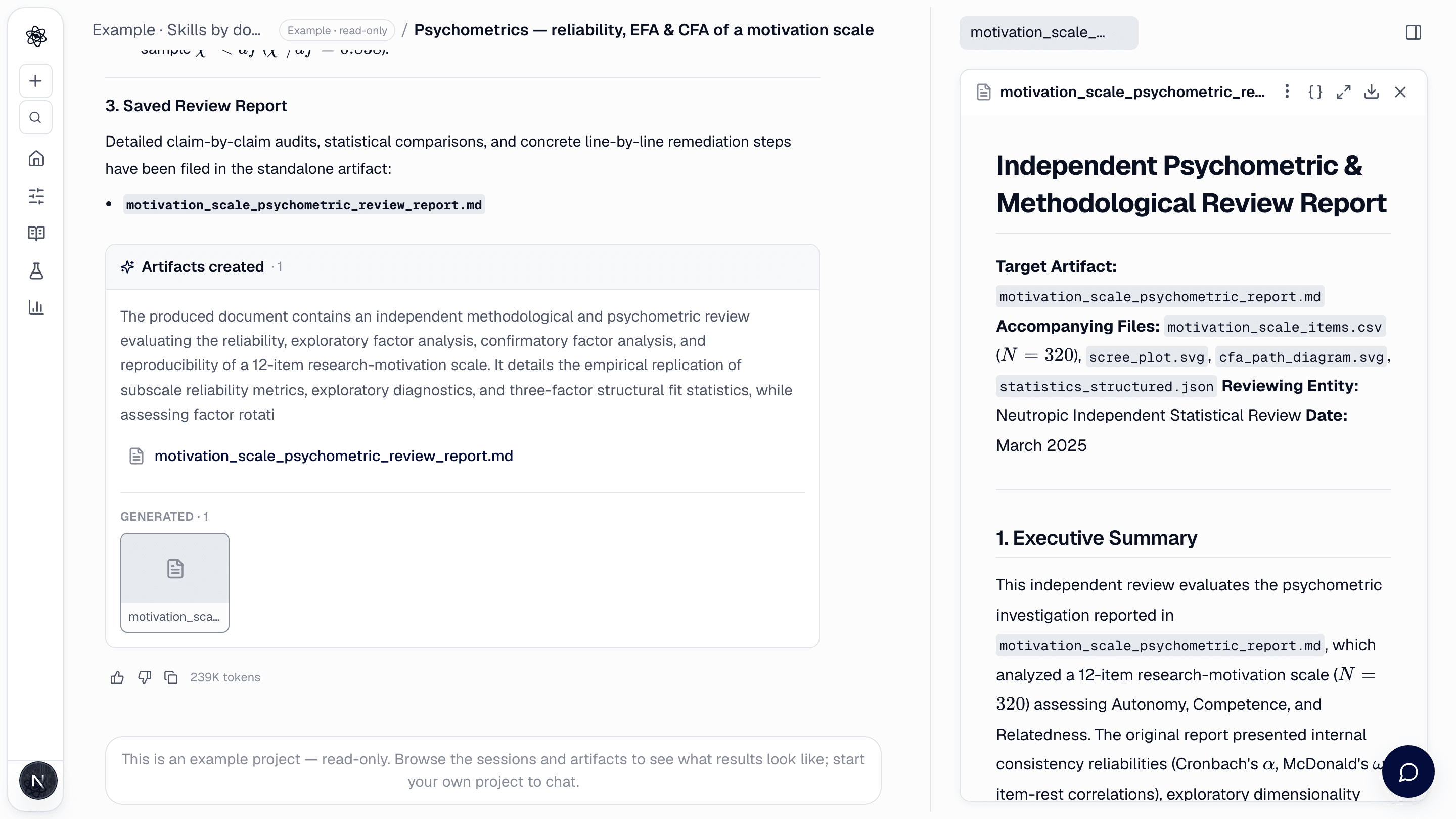
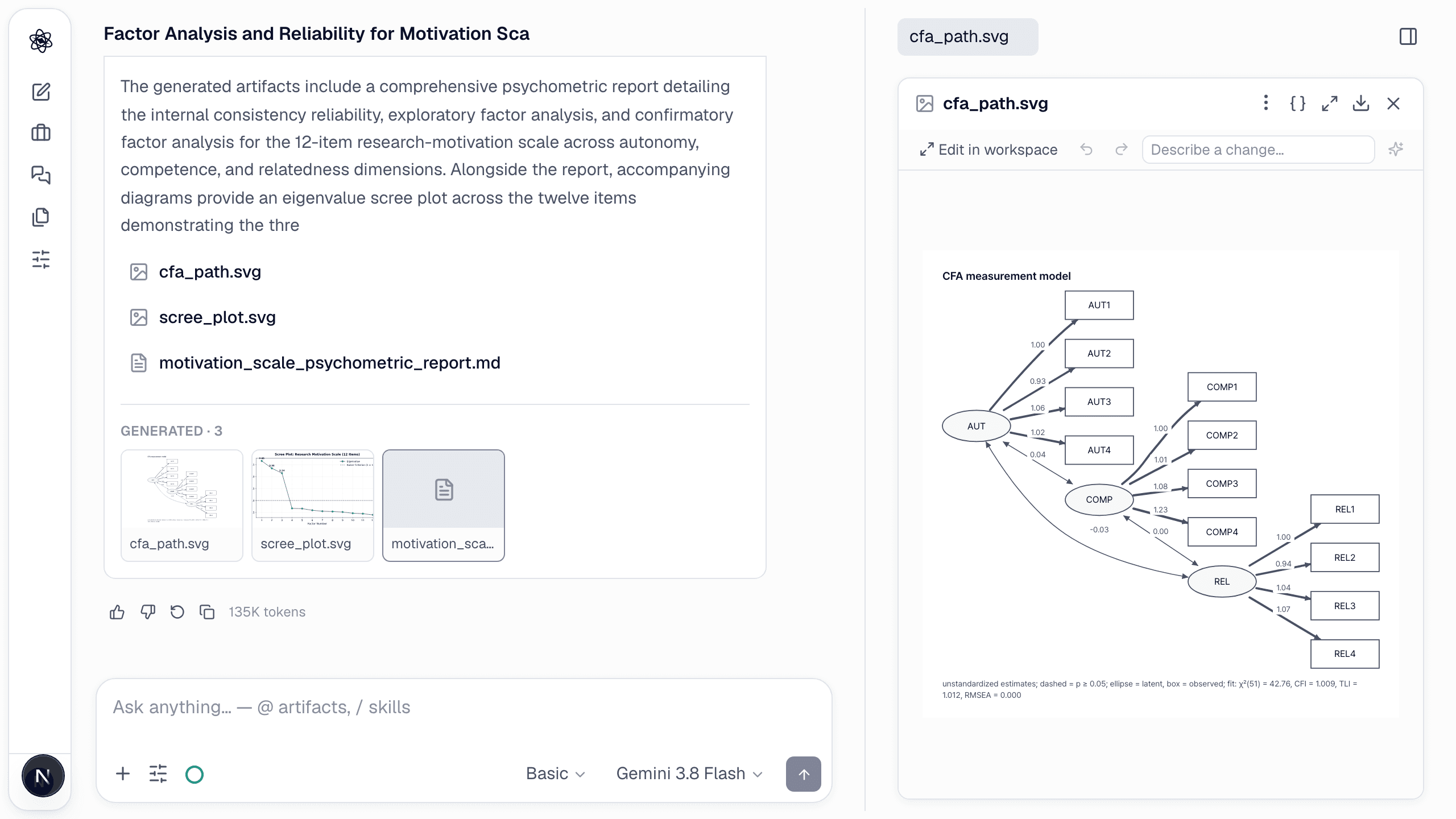
Attach item-level data and get α and ω with intervals, a scree plot with retention criteria, and a CFA path diagram with fit indices — every number with the code that produced it.
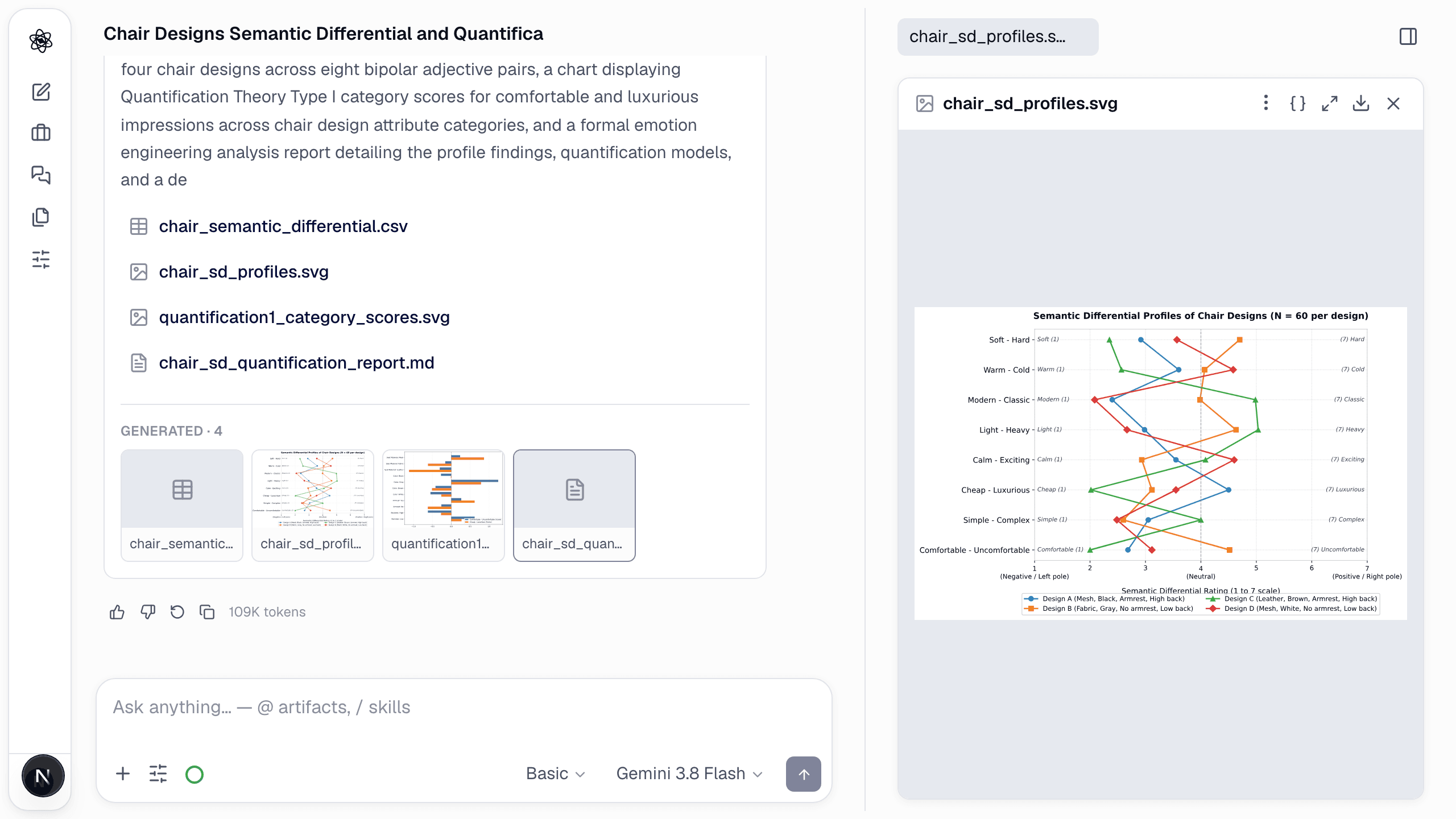
Semantic-differential profiles and Hayashi's Quantification Theory Type I from one message: which material, colour and form move 'comfortable' and 'luxurious', and by how much.
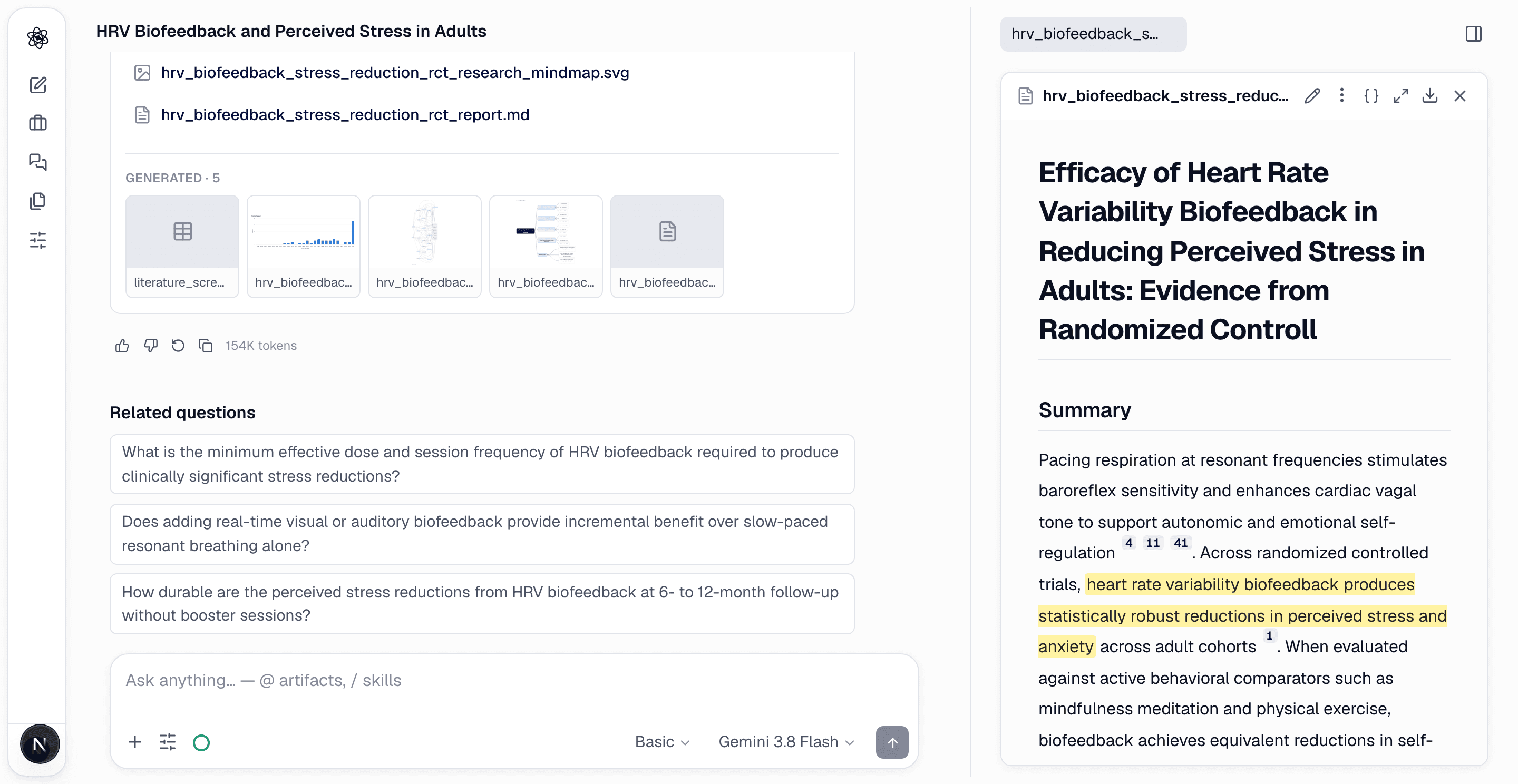
Literature review shouldn't end in a folder of PDFs. Neutropic turns a research question into a cited synthesis, a map of the field's gaps, and hypotheses you can actually take into a study design.